How to Deal with Epiphora (Excessive Tearing) in Dogs
Epiphora, or excessive tearing, can be a distressing symptom for many dogs and their owners. This common condition not only causes the fur around the eyes to become wet and stained but can also lead to more serious issues such as skin infections or chronic eye problems. Understanding the causes and implementing effective management strategies are crucial for maintaining the health and comfort of a dog experiencing epiphora.
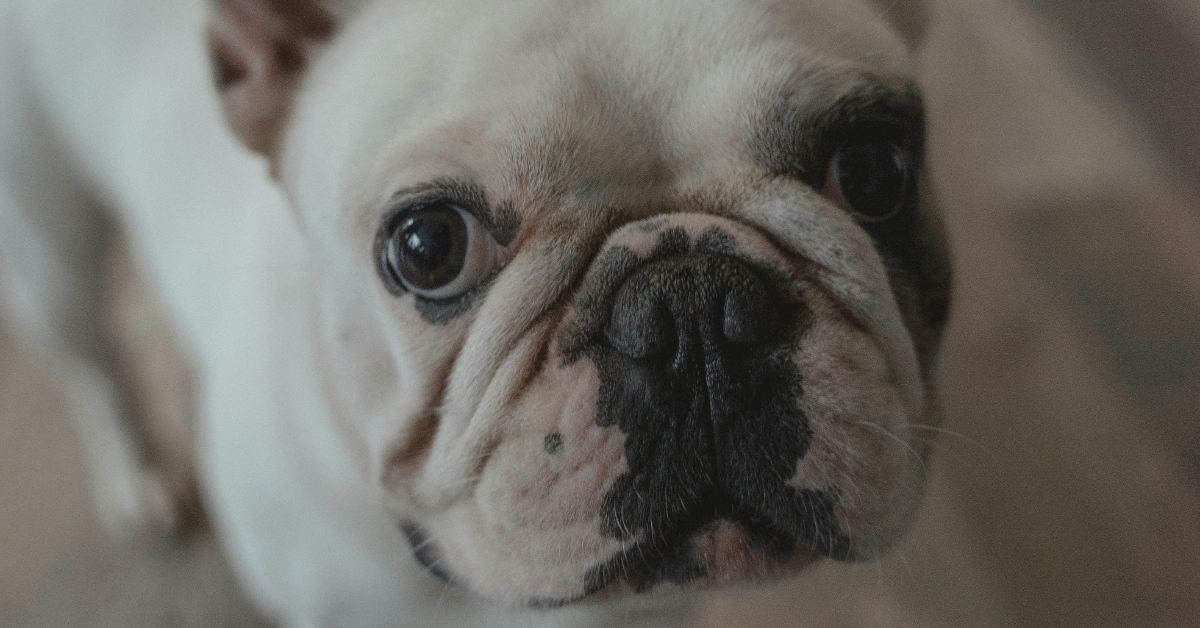
One of the primary causes of excessive tearing is the anatomy of the dog’s eye. Certain breeds, particularly those with brachycephalic (flat-faced) characteristics, such as Bulldogs, Pugs, and Shih Tzus, are predisposed to epiphora due to their shallow eye sockets and protruding eyes. Additionally, small breeds like Maltese and Cocker Spaniels might develop similar problems due to the size and shape of their tear ducts.
Apart from breed-specific traits, epiphora can also be induced by external factors. Allergies, infections, or irritants in the environment, such as smoke or shampoo, can lead to increased tear production. Moreover, eye injuries or abnormalities like ingrown eyelashes (distichiasis) or eyelid issues (entropion) can exacerbate the condition.
To effectively address epiphora in dogs, a thorough veterinary examination is crucial. This should ideally involve a detailed look at the history of the condition, a physical examination focusing on the eyes, and potentially diagnostic tests like tear production measurement tests or dye tests to assess tear drainage. Depending on the diagnosed cause, treatment can vary significantly.
For cases linked to allergies or environmental irritants, controlling the dog’s exposure to these allergens and possibly administering antihistamines or corticosteroids may be necessary. If an infection is present, topical antibiotics or eye drops may be prescribed. For anatomical issues such as narrowed tear ducts, surgical procedures might be needed to alleviate the symptoms.
In addition to medical interventions, routine maintenance can play a pivotal role in managing epiphora. Regular cleaning of the affected areas around the eyes helps prevent the buildup of tear stains and potential secondary infections. Owners can use a soft, damp cloth or special eye wipes made for dogs to gently clean the fur around the eyes daily, being careful to not irritate the eyes themselves.
Furthermore, dietary considerations and supplements, such as those aimed at reducing tear staining, might also help in some cases. Consulting with a veterinarian about appropriate dietary changes and products can provide additional support in managing epiphora effectively.
While dealing with excessive tearing in dogs can be challenging, understanding the underlying causes and engaging in a multifaceted approach to treatment can significantly improve the quality of life for affected dogs. It is essential for pet owners to work closely with their veterinarian to tailor a treatment plan that addresses both the symptoms and the root causes of epiphora.