The Importance of Regular Eye Exams for Dogs
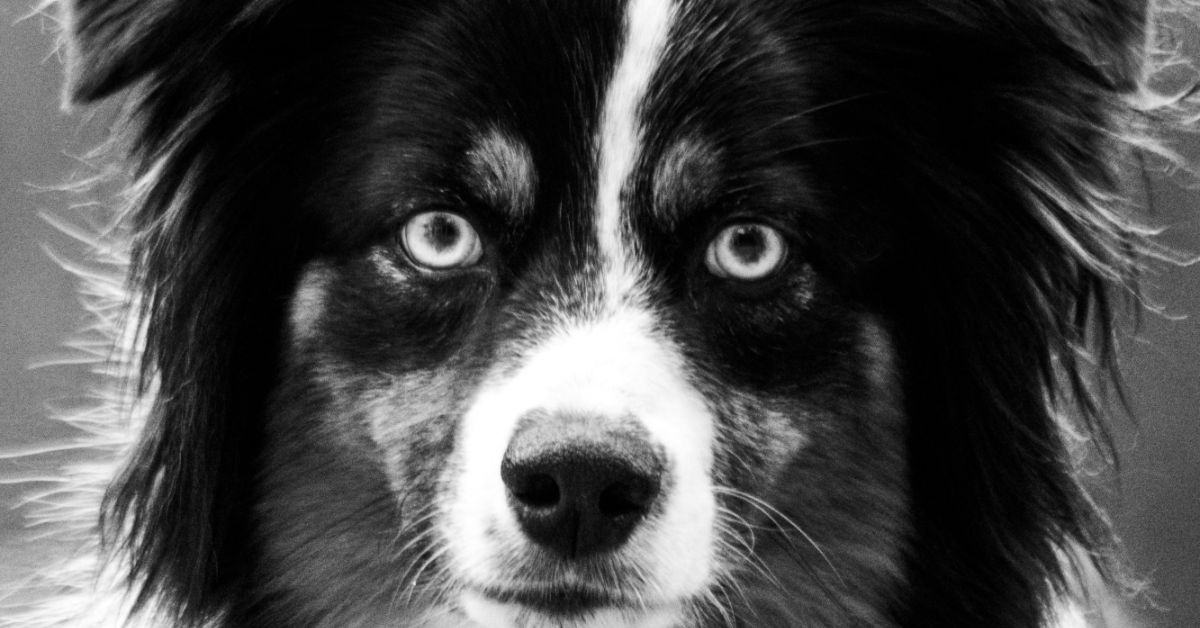
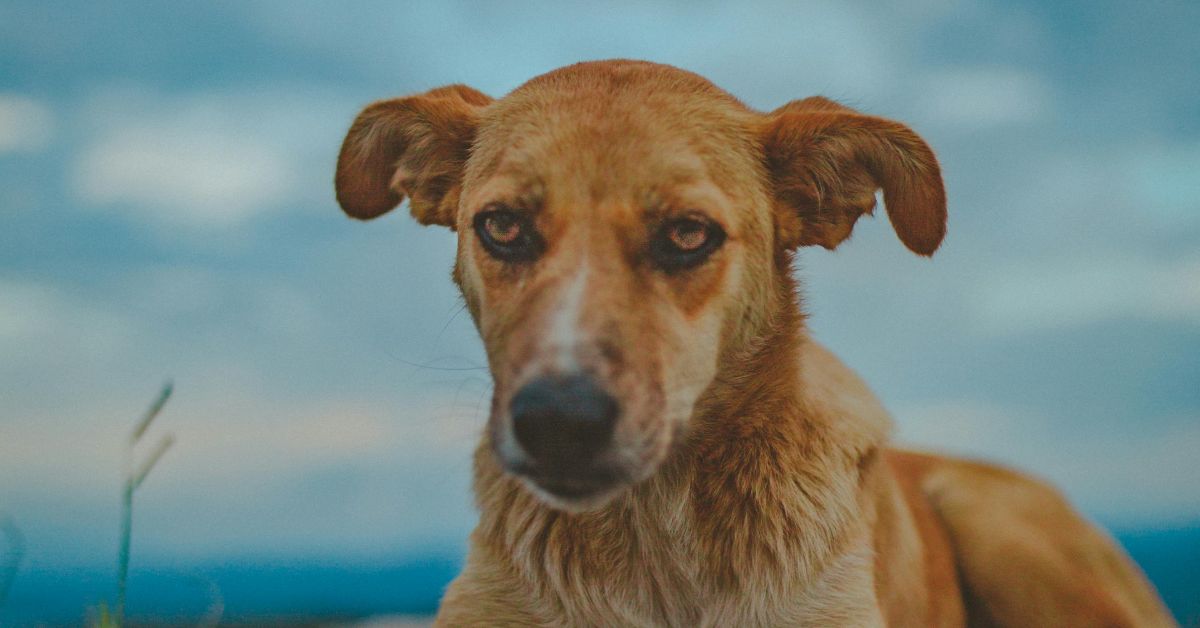
Regular eye exams are an essential aspect of maintaining a dog’s overall health, yet this preventive measure is often overlooked by many pet owners. Just as in humans, maintaining good eye health is crucial for the quality of life of dogs, as vision is a vital part of how they interact with the world. These examinations not only ensure your pet’s eyes are healthy but also help in early detection of conditions that could potentially lead to vision loss.
Starting with the basics, regular eye exams consist of several tests that assess the health of the dog’s eyes. Vets look for signs of common eye issues such as cataracts, glaucoma, dry eye, congenital abnormalities, and infections. They will check the clarity of the lens, the health of the retina, and the pressure within the eye. The vet may also check for signs of general health issues that can manifest in the eyes, such as diabetes or high blood pressure.
Detecting these issues early on is paramount. Many canine eye conditions, if caught early, can be treated effectively, preventing further deterioration and possibly irreversible damage. For instance, cataracts can develop slowly and aren’t necessarily harmful at first, but over time they can impair vision and lead to blindness if not treated.
Furthermore, eye health can also give veterinarians insights into other systemic health issues a dog might be experiencing. Certain ocular changes can be indicative of diseases such as diabetes or autoimmune disorders. Thus, a regular eye exam extends beyond just ensuring good ocular health – it can also be a vital checkup for overall health.
In addition to early diagnosis of diseases, regular eye check-ups can also help identify injuries that might not be obvious. Dogs are curious creatures, often putting themselves at risk of eye injuries from brushes with thorny bushes, rough play, or encounters with other animals. An eye exam can detect even the slightest corneal scratch or inflammation that might not be immediately apparent to the owner but could cause significant problems if left untreated.
Regular eye exams also adjust as a dog ages. As dogs get older, they become more susceptible to age-related eye problems just like humans. Conditions like glaucoma and age-related cataracts are more common and can be better managed if there is ongoing monitoring by a professional.
Additionally, certain breeds with unique eye needs may require more frequent checks. Breeds with protruding eyes like Pugs and Bulldogs, or breeds with droopy eyes like Basset Hounds and Bloodhounds, have an increased risk of specific eye problems. For them, regular check-ups can prevent serious complications.
In conclusion, while often underestimated, regular eye exams play a crucial role in ensuring a dog’s quality of life and overall health. Pet owners should make eye health a priority and consult with their veterinarian to determine an appropriate schedule for eye exams. Early detection and treatment are key in protecting your furry friend’s sight and well-being.