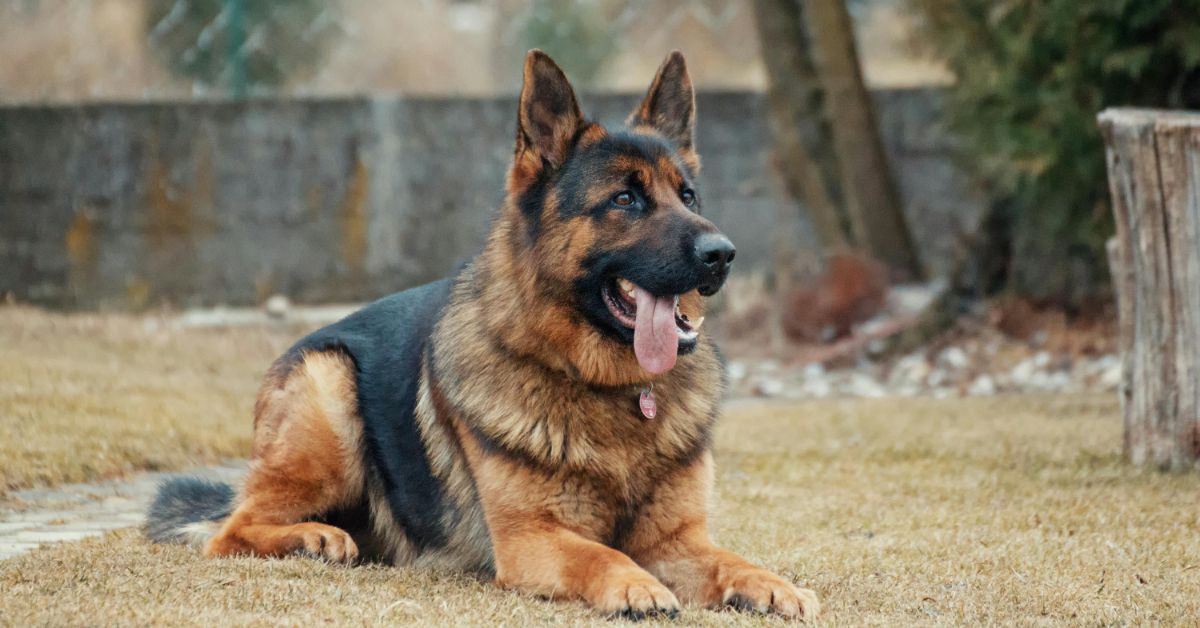
Basic Obedience Training for Dogs: A Step-by-Step Guide
Teaching your dog basic obedience is an essential part of pet ownership and significantly enhances the bond between you and your pet. It not only promotes good behavior but also provides mental stimulation and helps ensure their safety. When training your dog, consistency, patience, and positive reinforcement are key elements to success.
Before you start training, it’s important to establish yourself as the leader in your relationship with your dog. This doesn’t mean you need to be harsh or assertive; rather, it involves demonstrating consistent and calm behavior. Dogs are pack animals by nature and look to a leader for guidance and decision-making. By setting this foundation, your dog is more likely to respect and respond to your commands.
The first command most owners teach is “sit.” This is a basic command that serves as a building block for other commands. Start by holding a treat close to your dog’s nose, then move your hand up, allowing their head to follow the treat and causing their bottom to lower. Once in the sitting position, say “sit,” give them the treat, and share affection. Repeat this several times until your dog understands.
Following the “sit” command, “stay” is another crucial command. Ask your dog to sit, then open your palm in front of you, and say “stay.” Take a few steps back. If they stay, reward them with a treat and affection. Gradually increase the number of steps you take before giving the reward. If your dog moves, say “no” and return them to the sit position. Patience is key, as this command can take some time for dogs to understand completely.
The “come” command is vital for your dog’s safety, allowing you to keep them out of harm’s way and build recall reliability. Begin this training in a quiet environment to minimize distractions. Place your dog on a leash, and squat down to their level. Gently tug on the leash while saying “come.” When they come to you, reward them with a treat and affection. Over time, you can practice this command with a longer leash and then without a leash in a secure area.
The “down” command can be a bit more challenging, as it is a submissive posture. You might need a bit more patience for this. Start by asking your fringe to sit, then hold a treat in your hand and move your hand towards the ground, keeping it close to their nose. Your dog should follow the treat with their nose and end up lying down. Once they are down, say “down,” give them the treat, and show affection. If your dog does not respond initially, it is important not to force them into position; instead, be patient and continue practicing.
In addition to these basic commands, teaching your dog to walk without pulling is an important aspect of training. This can begin by choosing the right harness and leash. Start by walking your dog in an area with few distractions. If they start to pull, stop walking and call them back to your side. Once they come, reward them and continue walking. Repeat as necessary. Again, this might take time, and consistent practice is crucial.
Throughout all training sessions, keep training sessions short and focused. Dogs, particularly puppies, have short attention spans. Keep training sessions to about 10-15 minutes at the start. As your dog grows more accustomed to training and their attention span increases, sessions can be gradually extended. However, it’s crucial to end each training session on a positive note, with a reward or some playtime to keep your dog engaged and looking forward to them.
Remember that every dog is different and will learn at their own pace. Adjust your expectations accordingly and focus on making the process enjoyable for both you and your dog. Through persistent, loving, and patient training, your dog will soon master basic obedience and be on their best behavior, fostering a happier home environment and a deeper bond between you and your pet.


