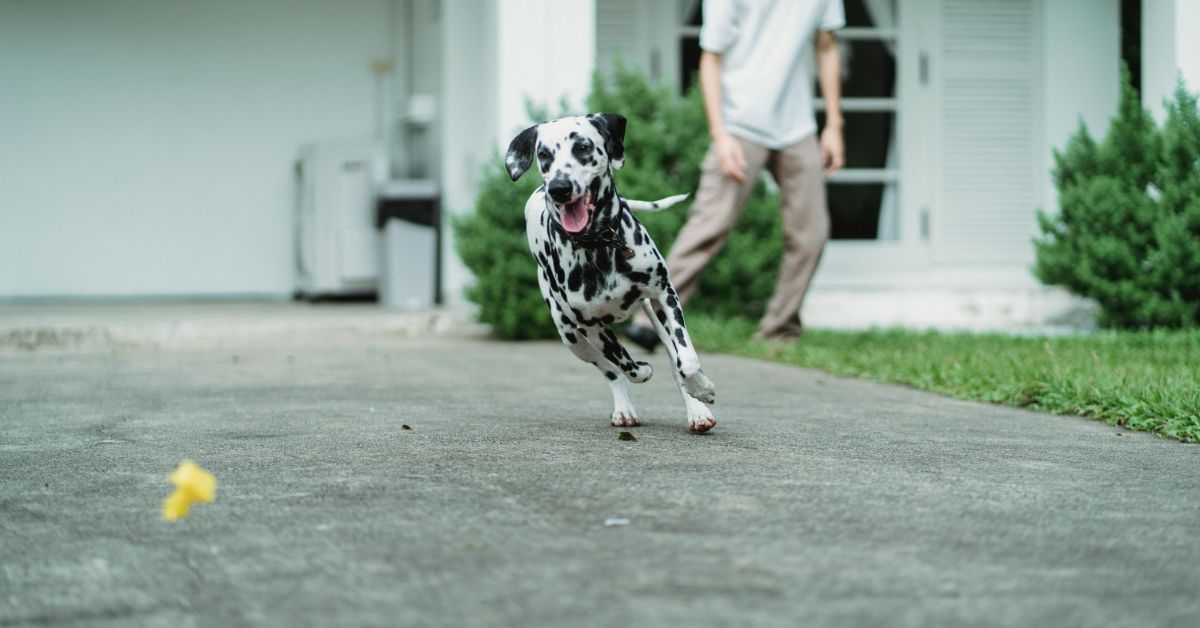
Training Your Dog to Respond to Whistle Commands
Training your dog to respond to whistle commands can be a highly effective way of communicating with your furry friend, especially in situations where verbal commands might not be heard. Whether you are out in the field or simply in a noisy park, a whistle can carry over longer distances and through environmental noise better than your voice. Training your dog to understand these whistle commands can enhance your bonding and improve both safety and responsiveness during outdoor activities.
Whistle training is primarily about consistency and positive reinforcement. The first step in training is choosing the right whistle. It’s generally best to use a whistle with a clear, distinct sound that is not common in the dog’s everyday environment. Acme whistles, for instance, are popular among dog trainers due to their consistent sound.
Once you have the right whistle, familiarize your dog with it in a quiet, controlled environment. Each command you wish to teach should be associated with a specific whistle signal. Begin with basic commands that your dog is already familiar with, such as “come” or “sit.” Blow the whistle before giving the verbal command. When your dog successfully responds, reward them immediately with a treat or affection. This helps the dog make a positive association with the sound of the whistle.
As your dog becomes accustomed to responding to the whistle in a quiet setting, gradually introduce more distractions. This can be done in a controlled manner by practicing in a slightly busier location, and progressively moving to more challenging environments as your dog’s responsiveness improves. This is important because you want your dog to respond to the whistle even in a distracting setting, which is often when you will most need this tool.
It’s also useful to develop different whistle sounds or patterns for different commands. For example, one short blast could mean “stop” or “sit,” while a series of rapid blasts might mean “come.” Be consistent in the pattern you use for each command; inconsistency will confuse your dog and hinder the training process.
In addition to one-on-one training sessions, consider incorporating the whistle as part of your daily walks and playtime. This regular practice helps reinforce what the dog has learned, making the whistle commands a natural part of their behavior.
Remember that like any training method, patience and consistency are key. Some dogs may pick up on whistle training quickly, while others might need more time and repetition. Stay persistent and keep sessions positive and short to maintain your dog’s interest and enthusiasm.
By effectively training your dog to respond to whistle commands, you are equipping both yourself and your pet with a tool that enhances communication and improves your experiences together in outdoor activities. This not only increases safety but also enriches the time spent with your canine companion.


