Training Your Dog for Scent Detection Work
Training your dog for scent detection involves a series of steps that capitalize on the dog’s natural abilities and instincts. While these dogs often work in law enforcement, detecting drugs, explosives, or other substances, they can also be utilized in search and rescue operations, in medical fields to detect diseases such as cancer or diabetes, and even to prevent pests in agricultural settings.
**Understanding the Basics of Scent Detection**
The foundation of training a dog for scent detection begins with understanding how a dog’s sense of smell works. Dogs possess up to 300 million olfactory receptors in their noses, compared to about six million in humans. This enables them to detect certain odors in parts per trillion. For effective training, it is crucial to harness this natural capability and focus it on a specific scent you want the dog to identify.
**Selecting the Right Dog for Scent Work**
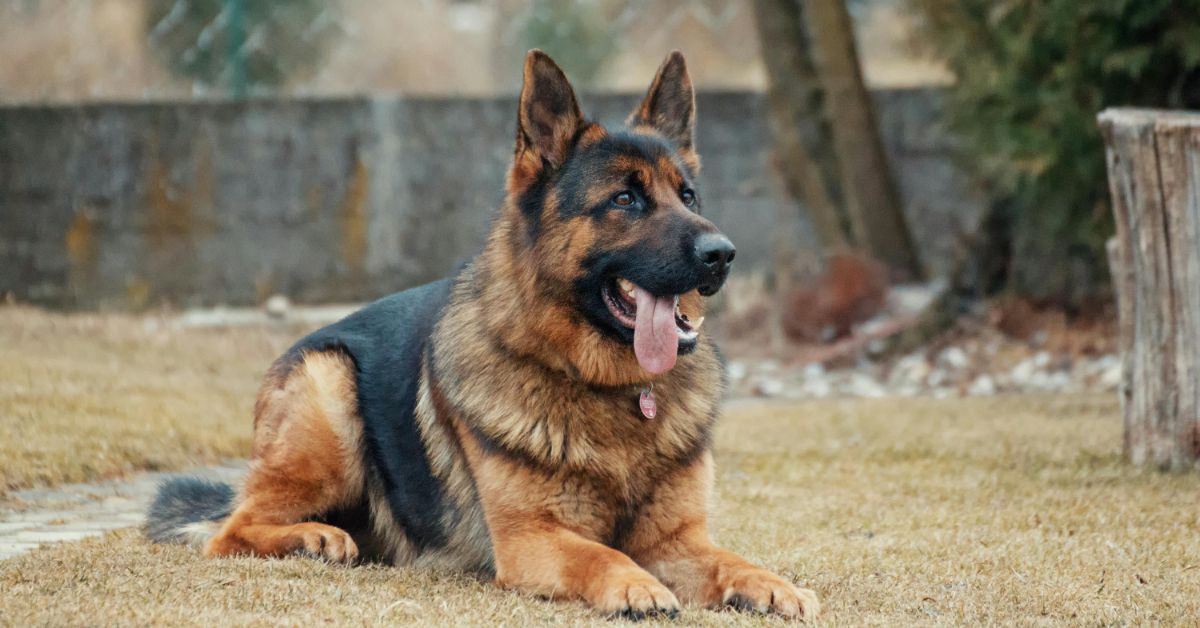
Not all dogs are suited for scent work; the ideal candidates display high levels of drive, energy, and concentration. Breeds that are commonly used in scent detection include Labradors, German Shepherds, and Belgian Malinois, although many other breeds, including mixed breeds, can be trained for scent detection. The key is to evaluate the individual dog’s curiosity, eagerness to learn, and responsiveness to training.
**Basic Obedience is Key**
Before embarking on scent detection training, the dog must be well-versed in basic obedience commands such as sit, stay, and come. These commands establish a line of communication between you and your dog and ensure that the dog will follow directives during scent detection work, which is critical in professional environments where control and precision are paramount.
**Starting with Scent Identification**
The initial stage of scent detection training involves making the dog familiar with a specific scent. This is often done using a scent box or similar device where the target scent is placed. The trainer leads the dog to sniff these various boxes, rewarding them with treats or play whenever they successfully identify the box with the target scent. Gradually, distractions are introduced to ensure the dog can single out the scent even in challenging environments.
**Increasing Complexity in Training**
As the dog becomes proficient in identifying the scent, the complexity of training increases. This might involve hiding the scent in larger areas or across different terrains and introducing competing scents. Each successful find is followed by a reward, reinforcing the dog’s behavior. This stage may also introduce different response behaviors, like sitting or pawing at the source of the scent, depending on the desired final behavior in the field.
**Operational and Scenario-based Training**
The final phase of training involves operational scenarios that mimic real-life situations. This could include searching vehicles, buildings, or open areas. It is important that these scenarios are as realistic as possible to prepare the dog for actual working conditions. During this phase, handlers also learn to read their dog’s behavior and signs of scent detection, which can be subtle.
**Continuous Training and Bonding**
Scent detection is not just about the nose; it’s about the relationship between the handler and the dog. Continuous training is essential both for maintaining the dog’s skills and for strengthening the bond between dog and handler. This partnership is crucial in professional contexts where trust and communication can mean the difference between success and failure.
By following these guidelines and committing to rigorous, consistent training, your dog can develop their natural scent abilities to a professional level, making them an invaluable asset in various fields. Whether for law enforcement, medical detection, or search and rescue, scent detection dogs improve operational outcomes and enhance safety and efficiency in numerous ways.


