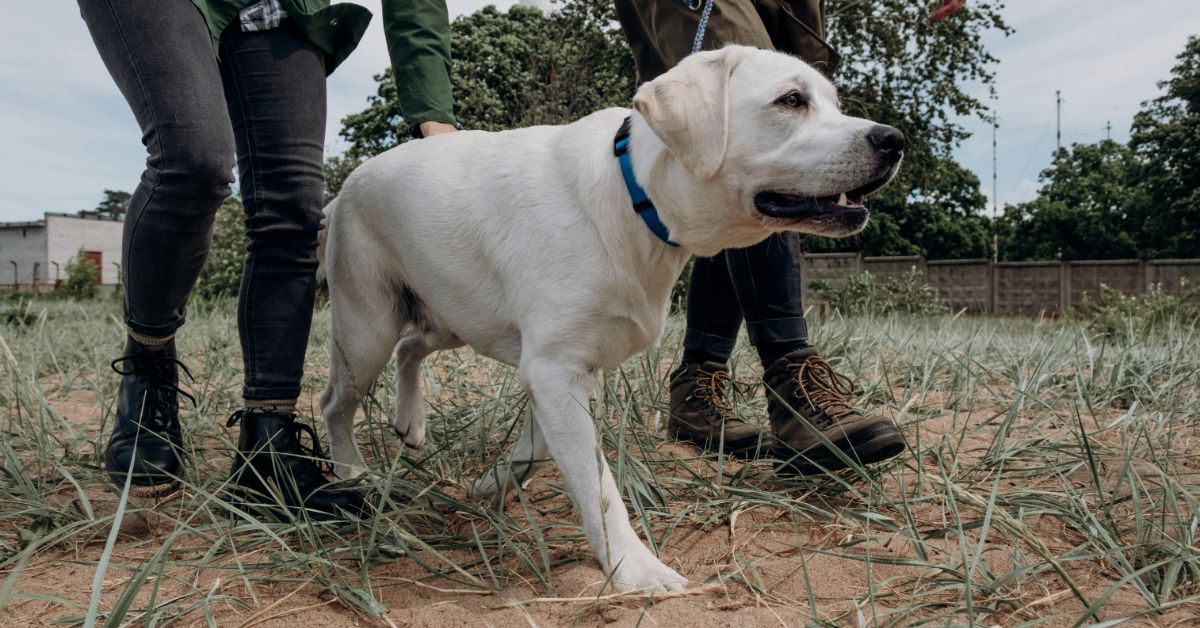
Dog Walking in Different Weather Conditions
Walking your dog is not only a daily ritual for many pet owners but also an essential activity for the health and happiness of your furry friend. Different weather conditions, however, can pose various challenges and risks to both you and your dog. It’s important to be prepared and knowledgeable about how to handle these different scenarios to ensure a safe and enjoyable walk for both parties.
**Sunny and Hot Weather:** During warmer days, the pavement can get scorching hot and potentially harm your dog’s paws. Test the pavement with the back of your hand; if it’s too hot for your hand, it’s too hot for your dog’s paws. Opt for walking in the early morning or late evening when temperatures are cooler. Always carry water for both yourself and your dog to avoid dehydration. Watch for signs of overheating, such as excessive panting, drooling, lethargy, or confusion. Seek shade regularly and consider a cooling vest or mat for your pet.
**Rainy Weather:** Rain can make your usual walking route slippery and increase the risk of both you and your dog slipping. Use a non-slip leash and consider outfitting your dog with a waterproof coat or booties to keep them dry and comfortable. Visibility can also be an issue in rain, especially for drivers, so wear bright, reflective clothing and consider a reflective leash or collar for your dog. Towel dry your dog as soon as you get home to prevent them from getting too cold.
**Cold and Snowy Conditions:** Snow and ice require extra caution. Ice-melting chemicals can hurt your dog’s paws, so it might be wise to use dog booties for protection. Keep your walks shorter when it’s extremely cold and watch for signs of hypothermia, such as shivering or anxiety. Frostbite can also occur on sensitive parts like the ears, paws, and tail. After walks, check your dog’s paws for ice accumulation or injuries and wipe them down to remove any potentially harmful salts or chemicals.
**Windy Weather:** Strong winds can be unsettling and even frightening for some dogs. Secure loose items like trash cans or decorations in your yard before heading out to prevent any sudden movements that might startle your dog. Use a sturdy leash and harness to keep your dog under control, especially if they are startled easily. Small debris or flying objects can be dangerous, so always be vigilant and ready to change your route or head back home if necessary.
**Variable Weather:** In areas where weather conditions can change abruptly, it’s essential to be especially observant and flexible. Being prepared with a variety of gear such as umbrellas, coats, and towels can help you adapt quickly to changing conditions. Always check the weather forecast before heading out to ensure you’re not caught off guard.
Dog walking in various weather conditions doesn’t just require adjustments in gear and timing; it also demands a keen awareness of your dog’s health and behavior. Changes in behavior or unusual physical symptoms should be addressed immediately to ensure that your dog is not experiencing discomfort or health issues from the weather conditions. Empowered with the right knowledge and tools, you can make every walk safe and enjoyable, regardless of the weather.


