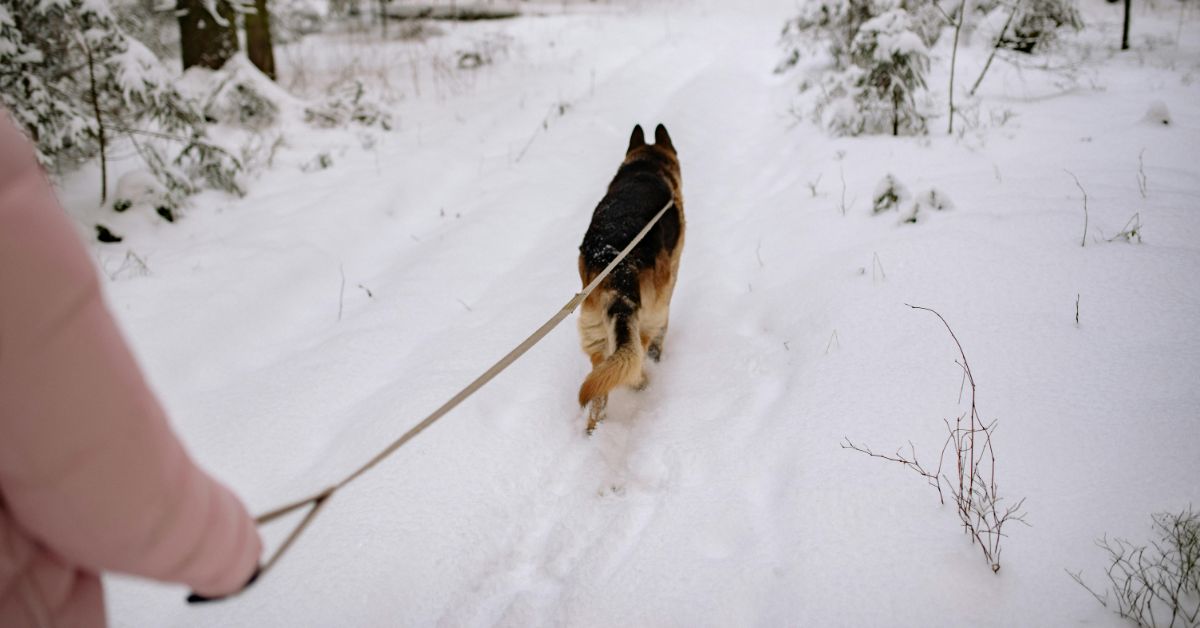
Exploring Nature Trails with Your Dog
Taking your dog on a nature trail hike is not only a great way to get exercise, but it’s also an opportunity for your furry friend to explore the diverse sights, sounds, and smells that nature has to offer. However, hiking with your dog requires more preparation and awareness than hiking alone. By following a few key tips, you and your dog can enjoy a safe and exhilarating outdoor adventure together.
Before heading out on a nature trail with your dog, it’s crucial to assess whether your dog is suited to the activity. Consider your dog’s fitness level, age, and health. Young, energetic dogs may be able to handle longer and more challenging hikes, whereas older dogs or those with health issues may require shorter, less strenuous trails. Also, not all dogs are immediately ready for a distance hike; it often requires training and gradual increase in the distance covered.
Checking the trail regulations before you head out is also important. Not all trails allow dogs, and among those that do, some require dogs to be on a leash at all times. Leash laws are not only there to protect other hikers and wildlife but to keep your dog safe as well. Moreover, ensure that your dog’s vaccinations are up to date, and consider tick protection, especially if hiking in wooded areas or during warmer months.
Equally essential is packing the right supplies. Bring enough water for both you and your dog, and consider carrying a portable dog bowl. Snacks for your dog can also be necessary, especially on longer trails to help maintain their energy. Remember to bring bags to clean up after your dog, as leaving waste on the trail is not only discourantious to other hikers but can also be harmful to wildlife and the environment.
The choice of trail can make a significant difference. Look for trails with varied terrain and safe, navigable paths. Trails that offer a mix of shade and sun are ideal, as they provide spaces for necessary breaks and help in managing your dog’s body temperature. Avoid trails with rough or sharp rocks that could injure your dog’s pads. Some trails also feature rivers or lakes, which can be great for a mid-hike cool-down—just make sure the water is safe and that your dog knows how to swim.
On the trail, keep a close eye on your dog’s behavior. Signs of exhaustion, such as heavy panting, drooling, or slowing down, indicate it’s time for a break. Pay attention to their paws for any cuts or injuries from rough terrain.
A key aspect of hiking with your dog is respecting wildlife and the natural environment. Teach your dog not to chase wildlife and ensure you stick to the trails to avoid harming native flora. Practicing good trail etiquette helps preserve the natural beauty of the environment and keeps the trails enjoyable for other visitors.
By taking these precautions and preparations, hiking with your dog becomes a joyful and enriching activity that enhances the bond between you and your pet while allowing you both to enjoy the beauty of the natural world. Whether you’re climbing mountains, crossing streams, or just enjoying a quiet walk through forest paths, those moments on the trail can create lasting memories and healthy habits for both of your lives.


