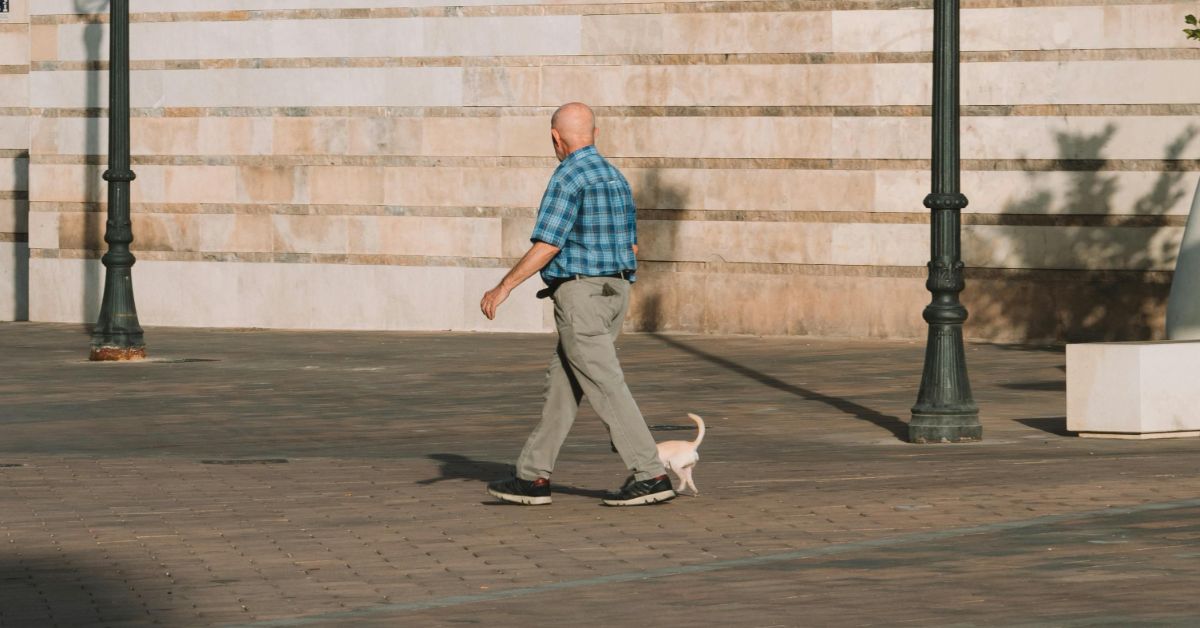
How to Handle Hyperactive Dogs During Walks
Handling a hyperactive dog on walks can be challenging but rewarding if you manage the situation effectively. Hyperactivity in dogs can be displayed as excessive pulling on the leash, frequent jumping, and energetic behavior that seems uncontrollable. However, there are several ways to make walks more enjoyable and less strenuous.
First, consider the importance of providing your dog with adequate physical exercise before the walk. Dogs, especially young and energetic breeds, often have bundles of energy that need to be released. Engaging your dog in a vigorous play session or providing a run in the backyard can help burn off excess energy that might otherwise be directed towards hyperactive behavior during walks.
Effective training is key to managing and reducing hyperactivity. Training your dog basic commands like “sit”, “stay”, “come”, and especially “heel” can help keep them focused and improve their leash manners. Consistent training sessions, using positive reinforcement techniques, enhance mental stimulation and reduce the intensity of hyperactive outbursts.
Utilizing the right equipment can also be crucial. Harnesses that clip at the front can discourage pulling, as they redirect the dog’s movement towards you. Moreover, a shorter leash gives better control over your hyperactive dog compared to longer ones which allow dogs to gain momentum and pull more forcefully.
Mental stimulation throughout the walk can redirect and manage hyperactive behavior. You can do this by changing your walking route frequently to introduce new smells and sights. This engages your dog’s mind and keeps the walk interesting. Incorporating training moments during the walk, such as asking your dog to sit before crossing a street, also helps maintain focus and encourages good behavior.
Identifying the triggers that heighten your dog’s hyperactivity is another pivotal step. For hyper dogs, stimuli like squirrels, other dogs, or even fast-moving vehicles can trigger excitement. Recognizing these triggers and introducing gradual exposure combined with positive reinforcement can help your dog learn to cope with these disturbances calmly.
Finally, ensure that you exercise calmness and patience. Dogs often feed off their owner’s energy, and showing frustration or agitation might only make your dog more unruly. By maintaining a calm and assertive demeanor, you reinforce a serene and controlled atmosphere for your dog, which can translate into less hyperactive behavior during walks.
With these strategies in place, handling a hyperactive dog during walks can become a more pleasurable experience, fostering a healthier relationship between you and your pet. Consistency is key, as dogs thrive on routine and predictability in their interactions and daily activities.


