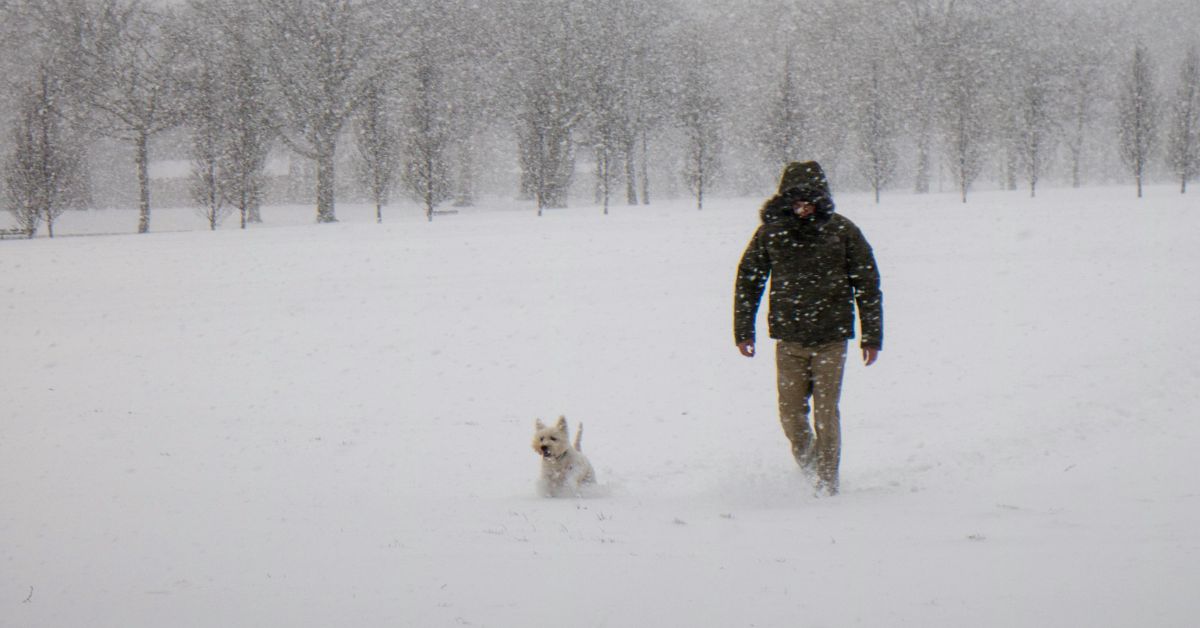
How to Walk Your Dog in Windy Conditions
Walking your dog is an essential part of pet ownership, providing both physical exercise and mental stimulation for your furry friend. However, windy conditions can present unique challenges and hazards that require special considerations to ensure a safe and enjoyable outing.
Before heading out, it’s important to assess the strength of the wind and the potential for flying debris. Strong gusts can carry twigs, dust, and even larger items that might startle or injure your dog. In particularly windy conditions, consider shortening your planned route or choosing a more sheltered area to walk.
Choosing the right gear can make a significant difference when walking your dog in windy conditions. A sturdy, well-fitted harness can offer better control and comfort than a regular collar. This can be especially helpful if your dog is startled or tries to chase debris moved by the wind. Harnesses distribute pressure more evenly around your dog’s body, which can help prevent injury in case they pull suddenly.
Visibility can often be reduced in windy weather, especially if dust or rain is involved. Wearing bright, reflective clothing and equipping your dog with a reflective leash or harness will help increase visibility. This is particularly important if your route crosses busy streets, as drivers may also be experiencing reduced visibility.
Consider the psychological effect of strong winds on your dog. Some dogs can become anxious or over-excited by the noise and unpredictability of windy conditions. Maintain a calm demeanor and keep a mindful eye on their behavior. Speaking to them in a soothing voice and offering treats for calm behavior can help reinforce a sense of security. If your dog seems overly stressed, it may be better to shorten your walk or play indoors instead.
The environment itself can also become a challenge. Be cautious of falling branches in heavily wooded areas, and avoid walking too close to unsecured structures or debris. Choose routes with natural windbreaks, such as buildings or dense vegetation, whenever possible. If the wind is particularly strong, consider walking in areas where the impact will be less severe, like in a park with lots of natural cover or a city environment with tall buildings.
Finally, once you return home from a windy walk, check your dog over for any debris that may have become caught in their fur, especially around the eyes, ears, and paws. Should you notice any irritation or injury, promptly wipe the area clean or consult your veterinarian for further care.
Walking your dog in windy conditions does require extra attention to detail and safety precautions, but with the right preparation and mindset, it can still be an enjoyable activity for both you and your dog. Adaptability is key—be prepared to change your plans based on the day’s weather, and always prioritize the well-being of your pet.


