Incorporating Mental Stimulation into Dog Walks
Walking your dog is primarily for physical exercise, but it can also serve as an excellent opportunity to provide mental stimulation. Mental stimulation is as crucial as physical exercise in keeping your dog healthy, happy, and well-behomed. By incorporating thinking games, new experiences, and a variety of training moments into regular walks, you can enhance your dog’s life and strengthen the bond between you.
One effective way to stimulate your dog’s mind is by varying the route. Dogs are highly curious creatures and thrive on exploring new environments. Taking different paths each day exposes your dog to new smells, sights, and sounds. This variety can be incredibly enriching for their senses and mind. It makes the walk more engaging and less predictable, which dogs generally love.
Incorporating training sessions into walks can also provide mental stimulation. You might practice commands that your dog already knows to reinforce their skills, or introduce new commands and tricks. The distraction of a new environment can make training more challenging, thereby encouraging your dog to focus and engage more deeply. Practices such as having your dog sit at every curb, performing ‘paws up’ (having their front paws on a low wall), or ‘weaving’ (walking in and out between poles), can integrate well into your walks.
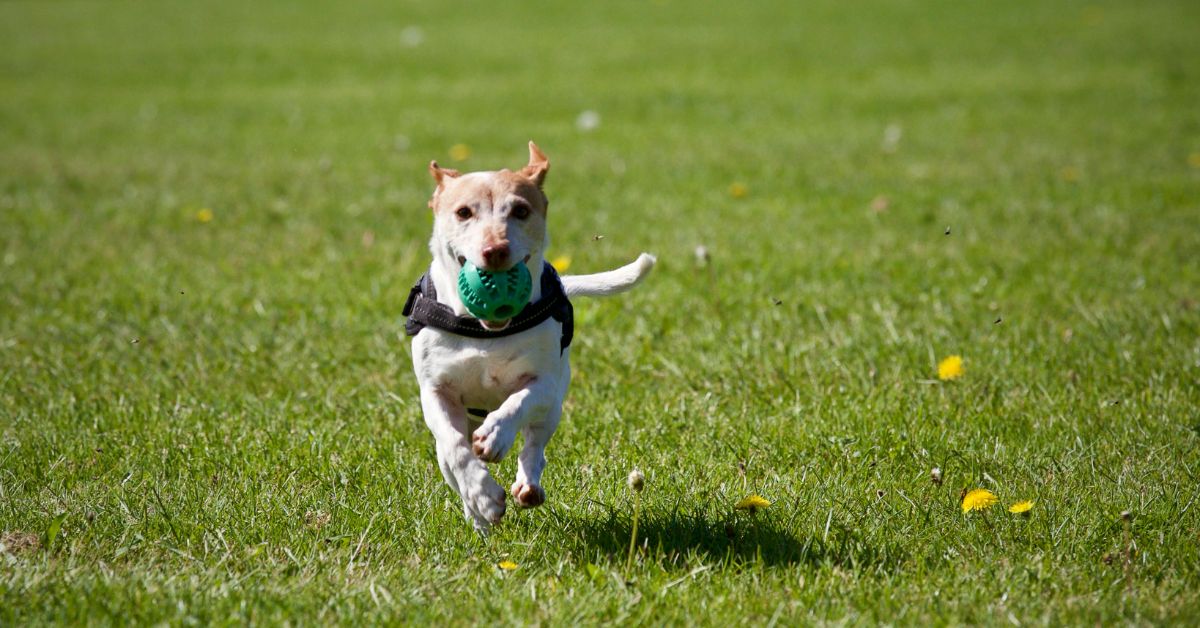
Furthermore, interactive toys and tools can be incorporated to liven up a regular walk. Treat-dispensing toys, which release treats as the dog plays with them, add an element of problem-solving to your outings. A simple game of fetch in a new park, or using a tug toy along the way, can also bring joy while adding to the physical exercise that walks typically provide.
Sensory experiences can be enhanced by allowing time for your dog to engage with their environment. Allowing your dog to sniff around, explore grassy patches, and investigate smells can make for a satisfying mental workout. Sniffing allows your dom to gather information about their surroundings and contributes to emotional well-being by providing an outlet for their natural instincts.
Lastly, social interactions during walks can play a significant role in your pet’s mental health. Meeting other dogs and people provides social enrichment and teaches them appropriate social behaviors. It also helps in improving their confidence and adaptability in different situations.
By integrating these elements into your daily walks, you not only attend to your dog’s physical needs but also cater to their mental and emotional well-being. Each walk becomes a dynamic adventure for your dog, and an opportunity for you to contribute positively to their overall development.


