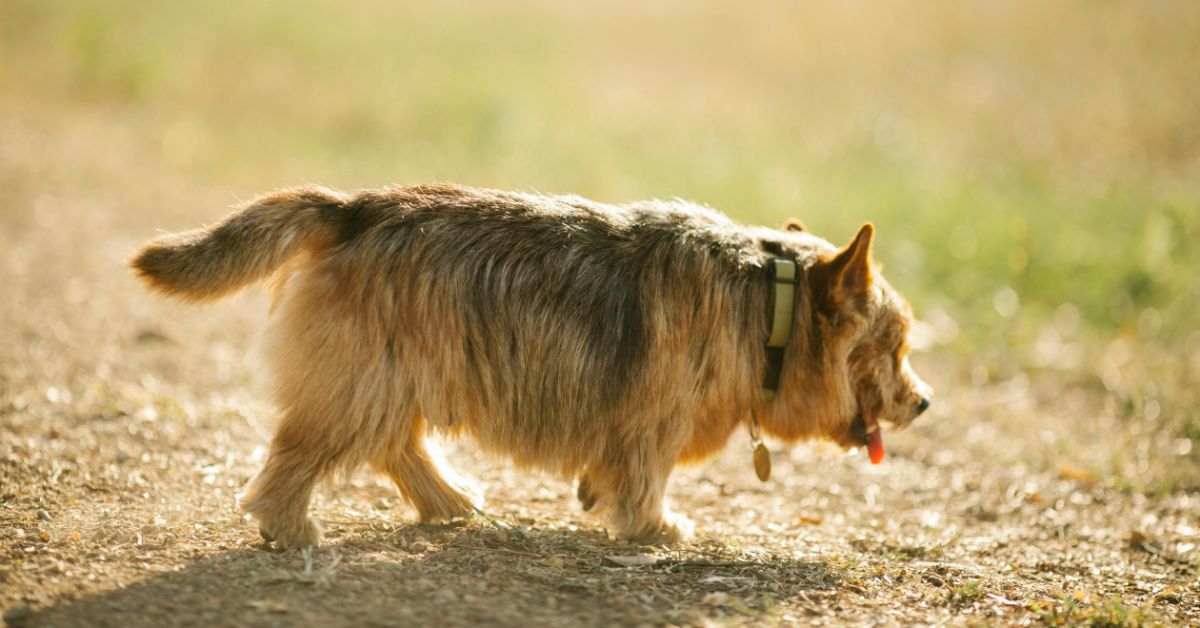
The Importance of Consistency in Dog Walking
Consistency is one of the simplest ways to improve your dog’s behaviour, confidence, and overall wellbeing. A predictable walking routine helps your dog understand what to expect, which reduces anxiety and makes good habits stick. This guide explains why routine matters, how to build one you can keep, and what to do when life gets in the way.
Why routine matters for dogs
Dogs learn patterns quickly. When walks happen at similar times and follow familiar rules, your dog:
-
Feels calmer because the day is more predictable
-
Builds better behaviour through repetition of cues and boundaries
-
Stays fitter with steady, age-appropriate exercise
-
Focuses more easily because expectations are clear
If your dog struggles with impulse control outdoors, consistency is especially helpful when combined with training around prey drive and polite greetings:
How to build a walking schedule you will actually keep
Start simple and keep it realistic.
-
Pick two anchor times you can usually meet on weekdays and weekends, for example 7:30 a.m. and 6:00 p.m.
-
Match duration to your dog. Puppies and seniors need shorter, more frequent outings. Healthy adults typically benefit from 45 to 60 minutes daily, split across walks.
-
Plan your routes. Rotate two or three familiar routes so your dog gets variety without losing predictability.
-
Use the same cues. Choose one cue for each action, such as “Let’s go” to move and “Wait” at kerbs.
-
Log your walks for two weeks. Note times, distance, and behaviour. Adjust the plan until it fits your life.
For dogs that get overstimulated by novelty, pair your routine with gradual desensitisation to new sights and sounds:
Keep handlers consistent
If multiple people walk the dog, create a one-page “walking rules” sheet everyone follows:
-
Before you leave: harness on, ID checked, high-value treats packed
-
On the walk: same side of the handler, agreed pace, stop at kerbs, reward check-ins
-
Boundaries: what is allowed and what is not, such as no pulling to greet, no scavenging
-
Reinforcement: mark and reward calm loose lead and attention to name
You can also practise boundaries at home so they transfer outside:
Make walks enriching, not chaotic
A consistent routine does not mean boring. Add controlled challenges that fit your plan:
-
Sniff breaks on cue to satisfy your dog’s need to explore
-
Short training games like hand-targeting and name recognition
-
Mini obstacle elements on safe routes for balance and focus
-
Try ideas from: How to train your dog to navigate obstacle courses
-
Troubleshooting common roadblocks
Bad weather
Keep a fallback: a shorter loop plus indoor enrichment such as scatter feeding, snuffle mats, or simple trick training. Consistency is about showing up, even if the walk is brief.
Shift work or busy weeks
Protect one anchor time and shorten the other. Consistency beats perfection. If needed, split one longer walk into two short outings.
Reactive or frustrated greeters
Build space, use predictable detours, and practise calm routines. Pair with targeted training:
Assistance and support dogs
Consistency is crucial for task reliability and public access manners:
Weekly checklist to keep you on track
-
Two anchor walk times planned for the week
-
Three pre-mapped routes saved on your phone
-
Treat pouch packed by the door
-
Same cues and boundaries used by all handlers
-
One enrichment twist added to each day
FAQs
How long should my dog’s walks be?
It depends on age, breed, fitness, and health. Many healthy adult dogs do well with 45 to 60 minutes total per day, split across walks. Puppies and seniors need shorter, more frequent outings. Ask your vet if you are unsure.
Is it bad to walk the same route?
No. Familiar routes help dogs feel secure. Rotate two or three routes to cover new smells and surfaces without overwhelming your dog.
What if I miss a walk?
Do a short toilet break and add 10 minutes of indoor enrichment or training. Resume your normal schedule at the next anchor time.


