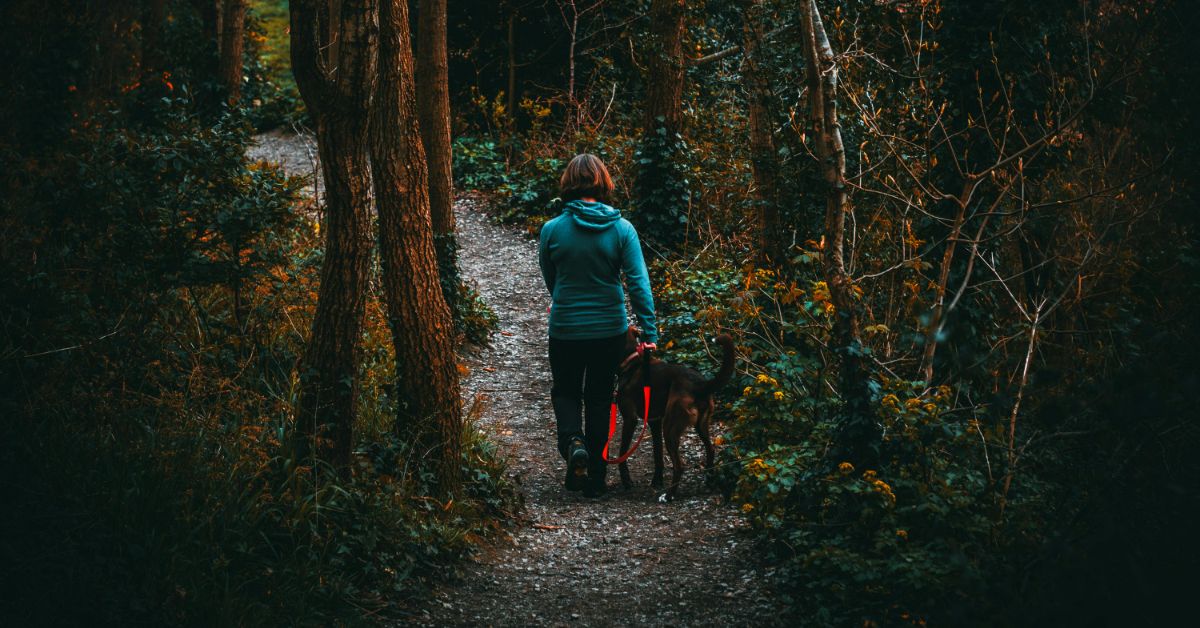
The Role of Walks in Dog Rehabilitation
Walks play a critical role in the rehabilitation process for dogs, serving as a fundamental aspect of both physical recovery and mental well-being. Whether a dog is recovering from surgery, an injury, or working through emotional or behavioral issues, incorporating regular walks into their routine can tremendously influence their path to recovery.
In the realm of physical rehabilitation, walks help to gently exercise a dog’s muscles and joints. For a dog recovering from a physical trauma or surgery, movement is often an essential aspect of recovery. Controlled walking helps maintain muscle mass and promotes circulation, speeding up the healing process by delivering necessary nutrients and oxygen to damaged tissues. It also aids in preventing the atrophy of muscles that can occur during periods of inactivity. Veterinarians and canine physical therapists often recommend specific walking protocols tailored to the dog’s specific condition and stage of recovery. These could range from short, slow walks to longer durations depending on how far along the dog is in the rehabilitation process.
Beyond physical benefits, walks are immensely beneficial for a dog’s mental health, particularly for those in rehabilitation. Dogs are naturally curious and interactive creatures, and walks provide a sense of normalcy and stimulation that can be incredibly therapeutic. The sensory experience of being outdoors—smelling different scents, hearing various sounds, and seeing the environment—can help reduce stress and alleviate anxiety. This mental stimulation is crucial for dogs who may be confined indoors for extended periods due to injury or surgery and is equally critical for those with emotional or behavioral issues.
Behavioral rehabilitation also sees significant benefits from regular walking. Dogs experiencing anxiety, depression, or behavioral problems stemming from trauma or abuse can find walks particularly therapeutic. The routine of a daily walk can provide a secure structure that helps these dogs build confidence and trust. Additionally, regular walks expose dogs to various stimuli in a controlled manner, which is essential for socialization and can help reduce fears and aggression over time.
Engaging in walks also strengthens the bond between a dog and its owner, which is fundamental in any rehabilitation scenario. This bonding time is crucial for emotional support, as a dog’s trust in its owner can significantly impact its recovery and overall well-being.
However, it is important to approach the walking regimen with care, particularly for dogs in physical rehabilitation. Owners should seek advice from their veterinarian or a qualified canine rehabilitation therapist to understand the appropriate duration, frequency, and type of walking suitable for their dog’s specific condition. Over-exerting a recovering dog can lead to setbacks in the rehabilitation process, so monitoring the dog’s response to increased activity is crucial.
In conclusion, incorporating walks into a dog’s rehabilitation plan offers extensive benefits that encompass physical health, mental well-being, and emotional recovery. Tailored walking routines help manage the balance of stimulating recovery while, ensuring the process is safe and effective, ultimately paving the way for a healthier, happier dog.


