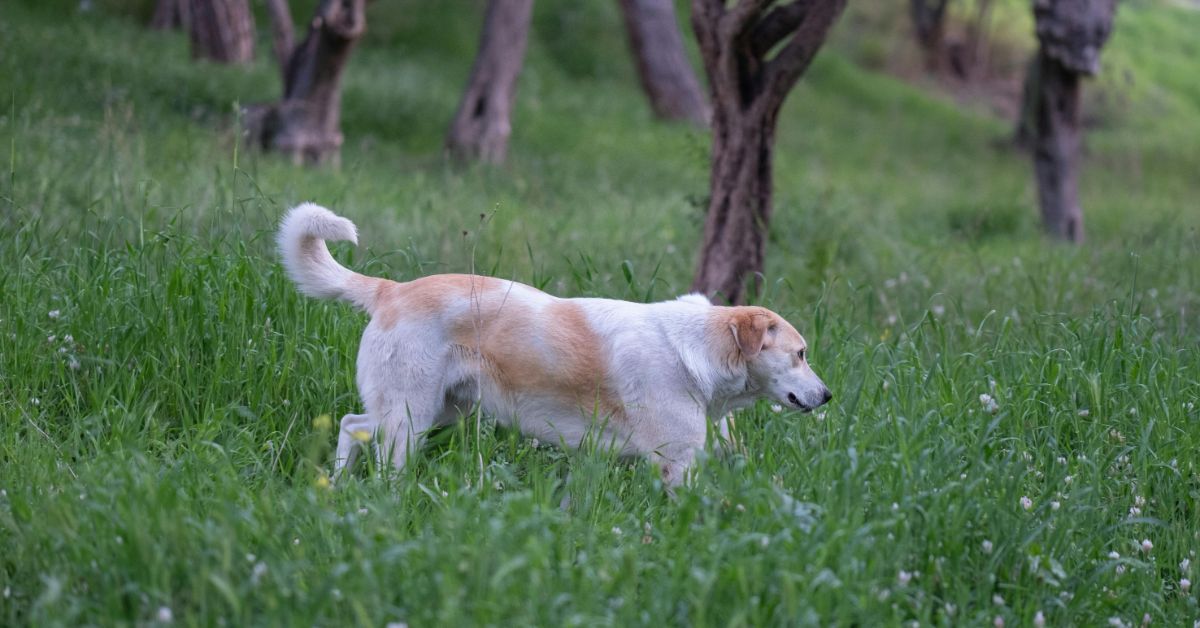
The Role of Walks in Reducing Dog Anxiety
Dogs, much like humans, can experience various forms of anxiety that manifest through behaviors such as excessive barking, destructive activities, and unexplained restlessness. Understanding and addressing the root causes of these anxious behaviors are essential for maintaining a healthy and happy pet. One of the key strategies to alleviate this type of stress is regular walking.
Walking serves multiple purposes in the context of reducing dog anxiety. Primarily, it engages the dog’s senses and allows them to explore their environment, which is a natural behavior in the canine world. The sights, sounds, and smells they encounter on a walk can greatly enrich their sensory experiences, offering mental stimulation that is crucial for their cognitive health. Such stimulation helps prevent the boredom and frustration that often leads to anxiety.
Physical exercise, a direct outcome of walking, also plays a significant role in managing anxiety in dogs. Regular physical activity aids in the release of endorphins, the body’s natural stress-relieving hormones. These hormones act as a kind of natural tranquilizer, not just reducing anxiety but also improving the overall mood of the dog.
Moreover, walks help establish a routine, which can be particularly comforting for dogs. Anxiety often stems from a fear of the unknown and unpredictable changes in the environment or daily routines. By setting a regular walking schedule, dogs can enjoy a sense of predictability and security, which can make them feel more relaxed throughout the day.
Social interaction is another benefit of walking, especially for dogs who enjoy meeting their canine peers. This interaction can be crucial for the social development of dogs and can help in reducing fears and nervousness around other dogs and people. Socially well-adjusted dogs are generally less anxious and more confident in various situations.
Additionally, the act of walking together strengthens the bond between a dog and its owner. This bonding is crucial as it makes the dog feel more secure and less anxious. The trust and understanding that develop through these regular walks can communicate security and comfort to the dog.
In conclusion, incorporating regular walks into a dog’s routine is invaluable in managing canine anxiety. Not only do they directly impact a dog’s physical and mental health, but they also enhance the relationship between the dog and the owner, contributing to a calmer, more confident pet. For dog owners looking to mitigate anxiety in their pets, consistent, engaging walks are a simple, yet powerful tool to consider.


