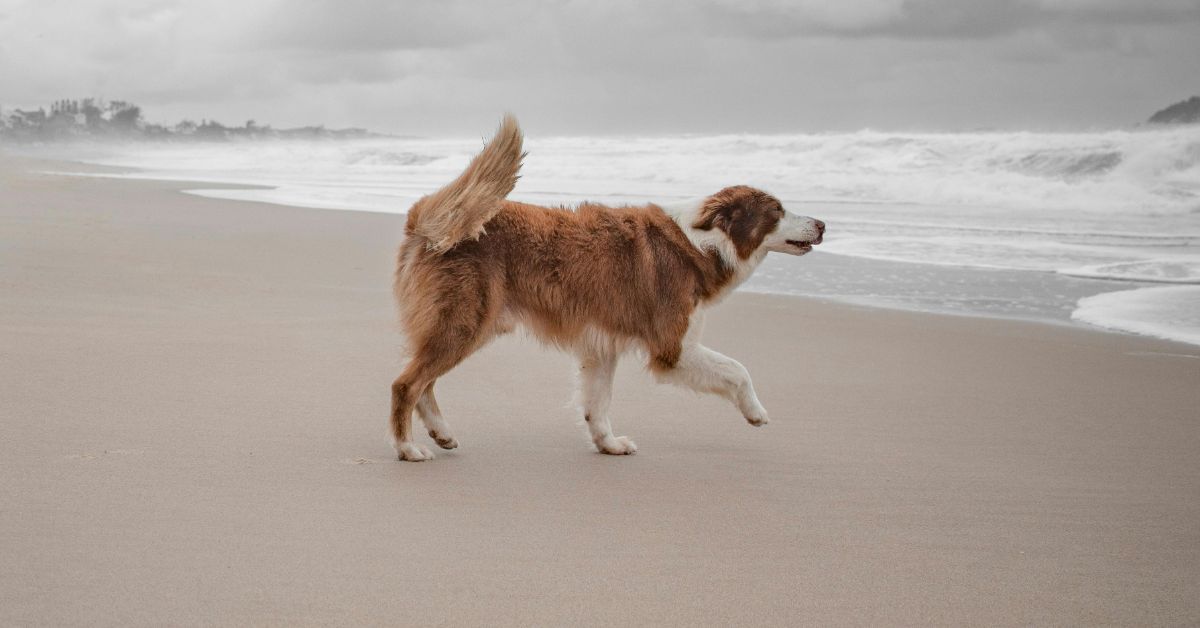
Tips for Walking Your Dog in the Rain
Walking your dog in the rain can be a challenging yet refreshing experience. Whether it’s a light drizzle or a heavy downpour, having the right strategy and tools can make all the difference in keeping both you and your pet comfortable and happy. Here are some essential tips to help you navigate those wet walks more effectively.
Choosing the right rain gear is crucial. Invest in a good quality waterproof jacket for yourself and a raincoat for your dog. Raincoats for dogs come in various sizes and styles, ensuring a good fit that helps keep your furry friend dry and comfortable. Make sure the coat covers your dog’s back and belly well, since these areas are very susceptible to getting wet and muddy.
Opt for water-resistant leashes and collars. Materials like nylon work well in wet conditions and are much more durable when exposed to moisture repeatedly. Leather, while durable, can become heavy and may stretch when it soaks up water.
Keep your dog’s paws protected. Prolonged exposure to wet conditions can lead to soft pads, which may result in injuries. Dog booties can protect their paws from getting muddy and also prevent any harmful substances that might be in standing water or puddles, such as de-icers or antifreeze, from causing paw irritation or more serious health issues.
Be visible. Rainy weather often brings poor visibility. Using reflective gear or LED lights on both your and your dog’s gear can help make you more visible to motorists or other pedestrians, ensuring safety for everyone involved. Reflective vests, leash attachments, and collars are all excellent choices to enhance visibility.
Choose your route wisely. Opt for paths that are less likely to become muddy and slippery. Well-drained paths, such as those covered with gravel or built of concrete, are preferable. Also, try to avoid areas that could become flooded during heavy rainfall.
Stay aware of the temperature. Although it’s raining, the weather might also be cold. Monitor your dog for signs of discomfort due from the cold such as shivering or hesitance to continue walking. In these conditions, consider shortening the walk or waiting for a warmer part of the or more sheltered routes.
Keep towels near your entrance. Upon returning home, immediately dry your dog, especially between the toes and around the face. Keeping a stack of towels near your door allows you to quickly clean up a wet, muddy dog and helps prevent the mess from spreading throughout your house.
Consider shorter, more frequent walks. If the weather is particularly bad, it might be more practical to opt for shorter but more frequent walks. This can help manage your dog’s energy levels without exposing them to lengthy periods in the wet and possibly unhealthy weather.
Practice patience and maintain a positive attitude. Your dog can likely sense your emotions, and if you’re irritated or rushed, it may stress them too. Keeping a cheerful demeanor and showing a little extra patience can make the walk more enjoyable for both of you, despite the dreary weather.
With these tips in mind, you and your dog can enjoy safe, enjoyable walks, even on the rainiest days. The key is preparation and having the appropriate gear to deal with the elements, which can turn a dreary chore into an enjoyable outing for you and your pet.


