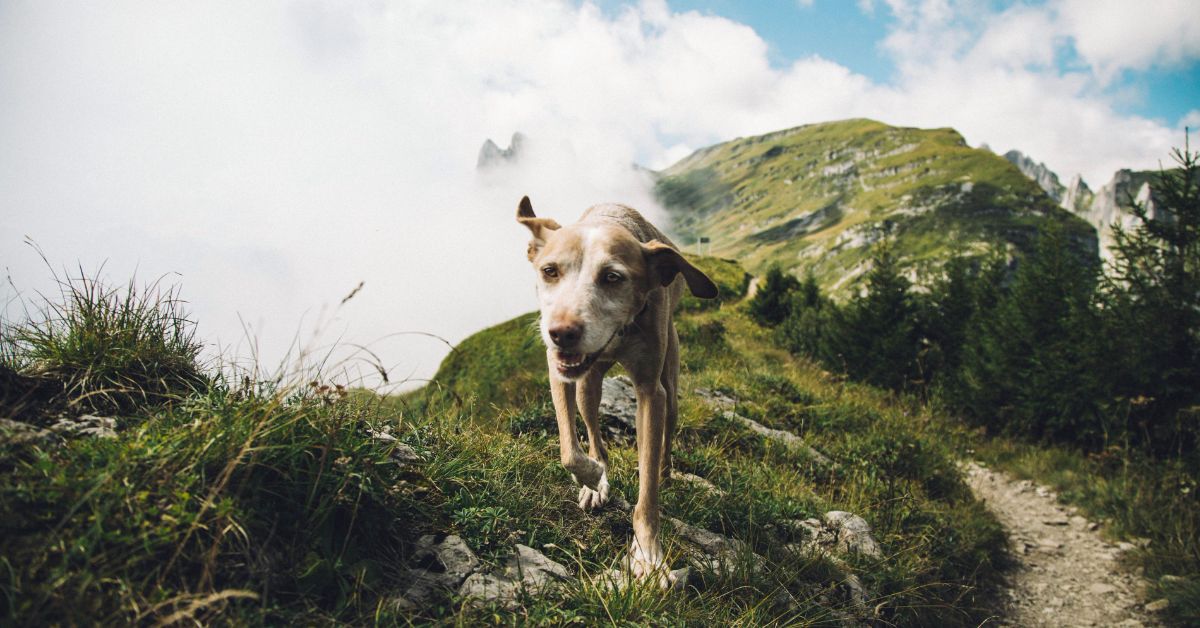
Using Walks to Reinforce Training Commands
Walking your dog is not only essential for their physical health but also a valuable opportunity to reinforce training commands. By integrating training into your daily walks, you can ensure that your dog frequently practices their skills in a variety of environments, reinforcing their training in a natural and enjoyable context.
One of the key benefits of practicing commands during walks is the presence of real-life distractions. Dogs, like all animals, need to learn to follow commands in the presence of distractions such as other animals, people, and traffic noise. Regular walks provide a dynamic environment to teach your pet focus and discipline. This can be as simple as asking your dog to sit at each crosswalk before crossing the street, or to stay by your side in a busy park.
To successfully integrate training into walks, start with basic commands that your dog has already started to master in more controlled settings, like “sit,” “stay,” and “come.” Gradually, you can introduce more complex commands and tricks, such as “heel” when they walk beside you, or “leave it” when they encounter something potentially dangerous or an unwanted item.
Consistency is crucial when reinforcing training commands on walks. Always use the same words and hand signals that you use at home. This helps your dog make a clear association between the command and the desired action. An inconsistent command can confuse your dog and slow down their learning process.
Timing and reward are also vital components of training during walks. Be sure to praise and/or treat your dog immediately after they follow a command correctly. This immediate reinforcement helps them understand that they are being rewarded for the specific behavior they just displayed. Over time, you can reduce the frequency of treats and replace them with verbal praise and petting, which are more practical during a walk.
Additionally, to make the training sessions more appealing, keep them short and sweet. Rather than stopping every few steps for training, incorporate commands naturally as situations arise. For example, use the “sit” command at street corners or during moments when you need your dog to calm down. This keeps the walk enjoyable while still being educational.
Integrating leash training with command reinforcement can help in managing your dog’s behavior on the leash. If your dog tends to pull, you might incorporate the “heel” command to teach them to walk calmly by your side. Consistent enforcement of this command can make walks more pleasant and safe, and also establish your leadership role.
Finally, remember that every dog learns at their own pace. Patience and positive reinforcement are key. Some days might feel like a step backwards, but persistence is essential. Celebrate the small victories along the way, as these will lead to consistent and long-lasting obedience.
Using walks to reinforce training commands not only improves your dog’s discipline but also enhances the bond between you and your pet. It turns an everyday activity into a fun learning experience, setting the stage for a well-behaved and happy companion during your outdoor adventures.


