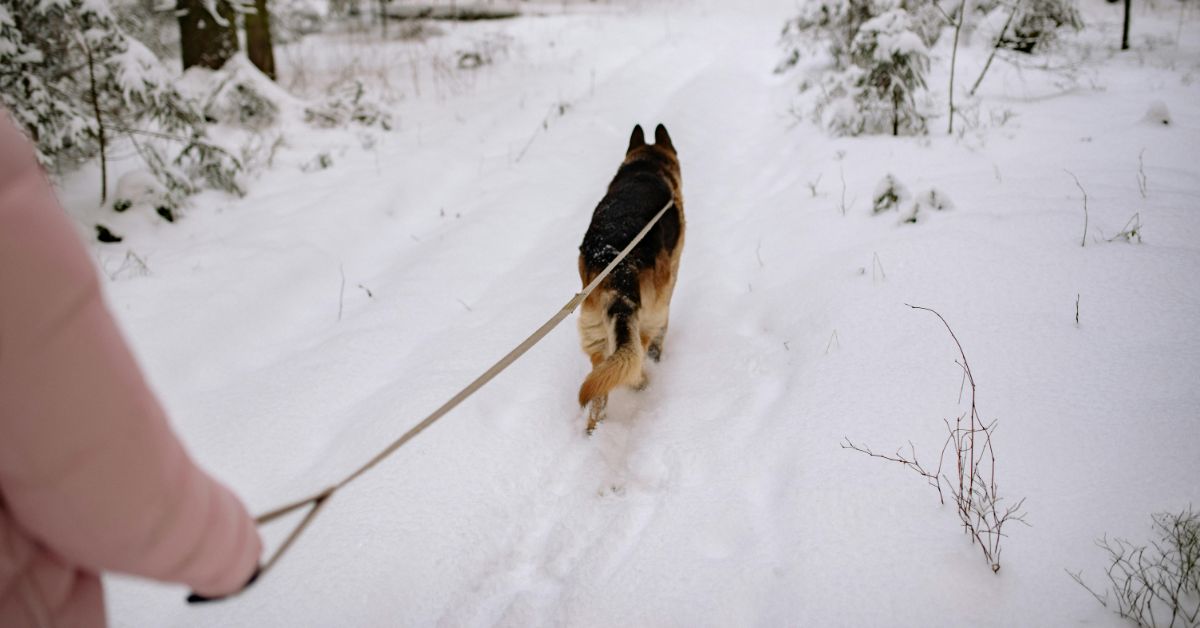
Using Walks to Teach Your Dog Impulse Control
Impulse control is a critical skill for dogs, as it teaches them to manage their emotions and actions in a variety of situations. One effective way to train this skill is by incorporating lessons into daily walks. Walks are not only perfect for helping your dog get physical exercise, but they’re also excellent opportunities for mental exercise as well.
When you begin using walks for impulse control training, start by choosing the right environment. A park with moderate activity is ideal because it provides enough distractions to challenge your dog without overwhelming them. Before heading out, ensure your dog is well-equipped with a sturdy leash and collar or harness, as maintaining control is key in these learning situations.
Start your walk with a clear goal in mind. If your dog tends to pull towards other dogs, start your training by working on maintaining a loose leash when they spot another dog. Each time your dog notices another dog and reacts, gently guide them back to your side using the leash, and offer a treat as a reward when they walk calmly next to you. The goal is to teach your dog to look to you for guidance when they feel an impulse to act.
You can also use the “sit and watch” technique. When a distraction appears, such as a squirrel or another pet, ask your nat to sit and watch the source of their excitement from a distance. Reward them for calm behavior and gradually decrease the distance to the distraction over multiple sessions. This not only helps your dog master impulse control but also strengthens their obedience and focus on you amid distractions.
In addition to reacting to distractions, you could teach your dog to control their impulses at intersections or during unexpected halts on your route. Train them to sit every time you stop walking and only proceed when you give them the cue. This can be particularly useful for ensuring safety, as it prevents them from darting into traffic or jumping on passersby.
Throughout your walk, it’s vital to maintain patience and consistency. Impulse control can be a challenging skill for dogs to master and will require repeated practice over many sessions. Remember to celebrate even the small victories along the way, as these will help build your dog’s confidence and strengthen their learning.
Incorporating impulse control training into your daily walks enriches the experience for both you and your dog. It turns regular outings into valuable teaching moments and helps create a well-mannered pet capable of handling various social situations with ease. The structure and routine of walking combined with the mental stimulation of impulse control exercises work together to produce a calm, focused, and happy dog.


