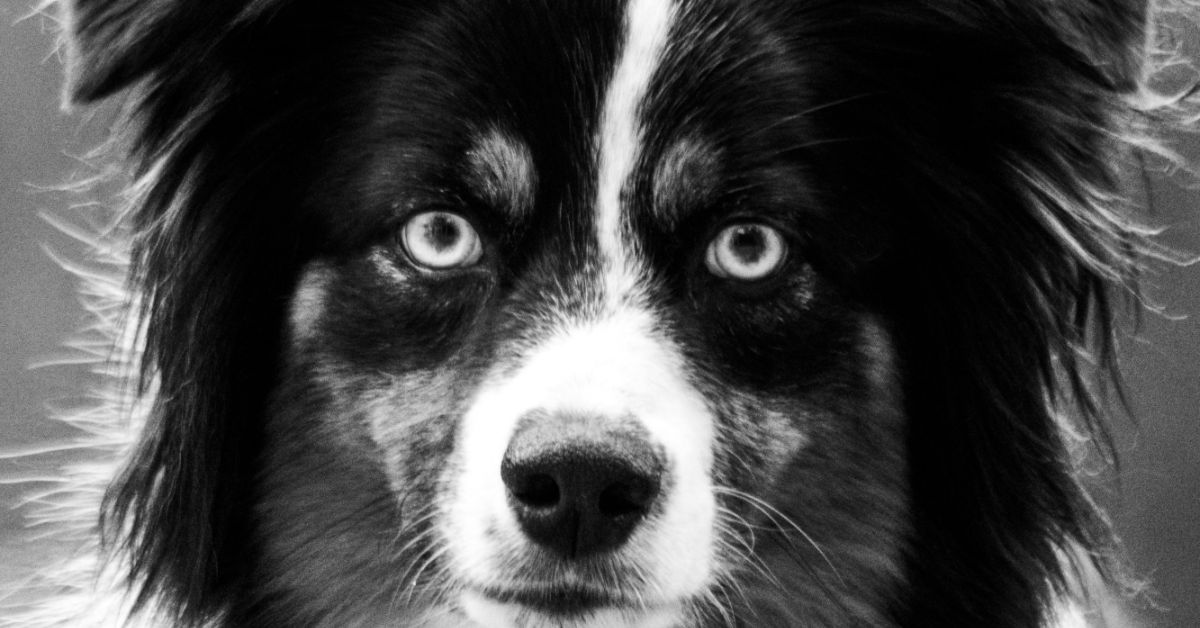
How to Manage Vision Loss in Dogs
Vision loss in dogs can occur gradually or suddenly and can be due to a variety of causes, including disease, aging, and injury. As a pet owner, recognizing the signs of vision loss and knowing how to manage it can make a significant difference in the quality of life of your dog.
**Signs of Vision Loss**
The first step in managing vision loss in dogs is to identify the signs. These may include bumping into furniture or walls, being hesitant to jump or climb stairs, appearing disoriented in familiar environments, or displaying unusually cautious behavior. Changes in the eyes themselves, such as cloudiness, redness, or inflammation, can also indicate vision loss or eye health issues. If you notice any of these signs, it is vital to consult a veterinarian promptly for a proper diagnosis.
**Veterinary Diagnosis and Treatment**
A veterinarian will assess the extent of vision loss and try to determine its cause through a series of tests that might include an eye exam, blood work, and possibly imaging studies like X-rays or an MRI. Treatment will depend on the underlying cause of the vision loss and could range from medication for diseases such as diabetes or high blood pressure to surgery for cataracts or other physical issues.
**Creating a Safe Environment**
Once vision loss is identified, making adjustments to your home can help your dog navigate more easily and stay safe. Keep the layout of your home consistent, avoiding moving furniture or leaving obstacles in walking paths. Use gates to block off stairs or dangerous areas and place carpets or mats in slippery areas to prevent falls.
**Maintaining Routines**
Routine is crucial for a dog with impaired vision. Try to keep daily activities consistent in terms of what happens and when it happens, including feedings, walks, and playtime. Use more verbal cues or incorporate scent markers near important locations like their food bowl and bed to help them find their way.
**Training and Support**
Training can be adapted to meet the needs of a visually impaired dog. Teach verbal cues and use sounds to guide your dog rather than visual commands. Clicker training can also be beneficial, as the sound of the clicker can guide a dog to the desired behavior. Patience is essential, as visually impaired dogs may take longer to adapt and learn new commands.
**Emotional Support and Bonding**
Vision loss can be disorientating and frightening for a dog, potentially leading to anxiety or depression. Continue to engage with your dog through touch and talk, reassuring them with a calm and soothing voice. Keeping them physically close, petting them, and grooming them can help reinforce your bond and provide comfort.
**Monitoring and Continued Care**
Keep a close watch on your dog’s health and behavior. Regular vet check-ups are vital to ensure that your dog’s condition is managed effectively and to adjust treatment as necessary. Monitoring your dog’s ability to cope with their environment and making further adjustments can help prevent injuries and improve their quality of life.
By understanding and addressing the challenges of vision loss, you can help your dog lead a comfortable and happy life despite their impairment.