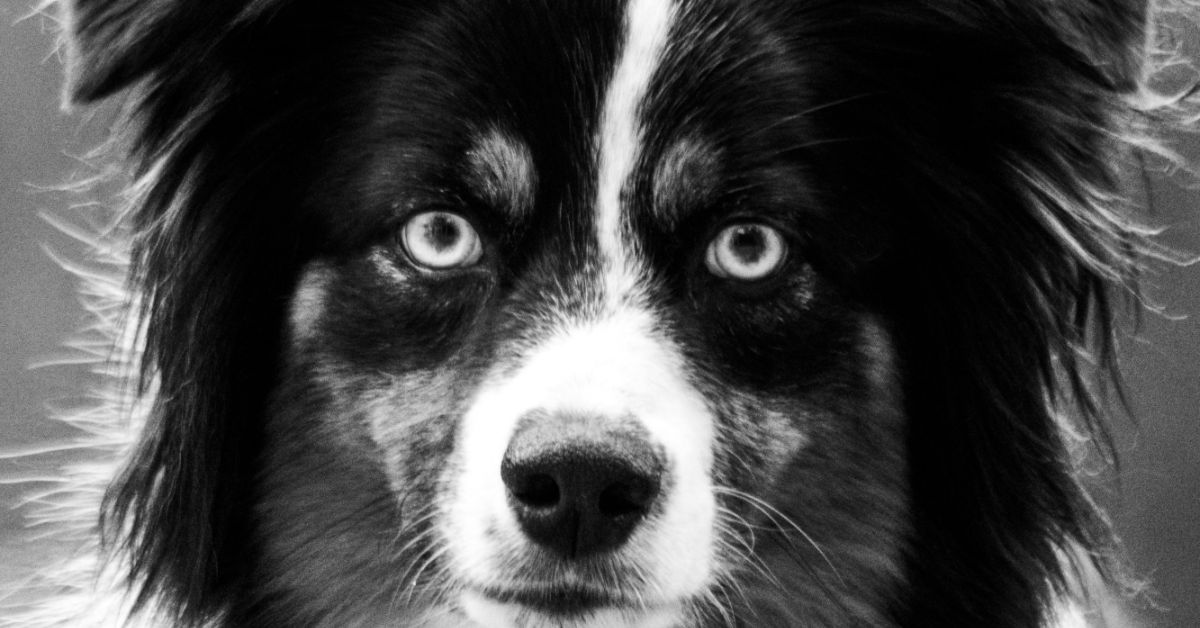
How to Prevent and Treat Dog Eye Irritation from Allergens
Dog eye irritation from allergens is a common issue that many pet owners face, especially during seasons when pollen counts are high or in environments with various airborne irritants. Understanding how to prevent and treat this discomfort can help keep your furry friend happy and healthy.
**Understanding the Cause**
Allergens that typically affect the eyes of dogs include pollen, mold spores, dust, smoke, and even perfumes or cleaning products. These irritants can cause the eyes to become red, itchy, and watery. It’s important to first confirm that allergens are the cause of irritation. Other issues like infections, injuries, or foreign objects in the eye present similar symptoms but require different treatments.
**Preventive Measures**
Preventing allergies in dogs starts with controlling their exposure to known irritants. Here are several strategies:
– **Environment Control:** Keep your home clean by regularly vacuuming and dusting to minimize the presence of dust and dander. Using air purifiers can also help remove airborne allergens from your living space.
– **Proper Grooming:** Regular baths and grooming can help remove allergens from your dog’s fur and skin. Be sure to use hypoallergic shampoo, and consider wiping down your dog’s coat with a damp cloth after walks, especially during high pollen seasons.
– **Diet and Supplements:** Boosting your dog’s immune system can help fight allergies. Incorporating omega fatty acids and antioxidants into their diet can provide them with extra defenses against irritants.
– **Avoiding High Allergen Areas:** During seasons when the pollen count is high, try to avoid taking your dog out during peak times, typically mid-morning and early evening. Opt for less vegetated areas for walks to minimize exposure.
**Treatment Methods**
When prevention is not enough and your dog does develop eye irritation from allergies, there are several treatment methods you can consider:
– **Veterinary Eye Drops:** Consult your veterinarian for appropriate eye drops or ointments that can soothe irritation. These might be formulated specifically for allergens and are safe for use on dogs.
– **Oral Antihistamines:** Your vet might recommend an antihistamine if the irritation is severe. These should only be given with veterinary approval as dosages for dogs differ significantly from human dosages.
– **Regular Eye Cleaning:** Keep your dog’s eyes clean by gently wiping them with a soft, damp cloth. This helps to remove any allergens that may be sticking to the surface around the eyes.
– **Create a Barrier:** In some instances, especially in dusty environments or during pollen seasons, it may help to have your dog wear protective goggles designed for pets. This can physically block allergens from getting into your dog’s eyes.
**Ongoing Care**
It’s essential to monitor the condition of your dog’s eyes regularly. If symptoms persist or worsened despite home treatments, consult your veterinarian as there may be a more serious underlying issue. Additionally, regular check-ups can help catch potential eye problems before they become serious, ensuring your dog maintains good eye health.
By taking the appropriate preventive measures and knowing how to treat symptoms when they arise, you can help ensure that your dog remains comfortable and healthy, despite the challenges posed by environmental allergens.