The Best Positive Reinforcement Techniques for Dog Training
Positive reinforcement is a powerful method in dog training that promotes learning through rewards. By rewarding desired behaviors, training can be a fun and enjoyable process both for the dog and the trainer. Here are some of the best techniques used in positive reinforcement training that can help strengthen the bond between a pet and its owner while effectively teaching new skills.
Understanding the benefits of positive reinforcement is crucial. This method works by presenting a reward immediately after a dog shows a desired behavior, which makes the behavior more likely to occur in the future. The rewards can vary from treats, praise, petting, or any other form of reward that motivates the dog. Unlike punishment, which can create fear and increase aggression, positive reinforcement helps build trust and enthusiasm for learning.
Treats are often used as the primary form of reward. The key to using treats effectively is to choose small, tasty bites that are highly desirable to your dog. These should be given immediately after the desired behavior to reinforce the connection between the behavior and the reward. It’s important to gradually reduce the frequency of treats over time and replace them with other forms of rewards, ensuring that the dog’s motivation remains high without becoming overly dependent on food.
Praise is another incredibly effective form of positive reinforcement. Dogs naturally seek social acceptance and validation from their owners. Commending a dog with an enthusiastic tone of voice can be just as rewarding as any treat, especially if it comes consistently and immediately after the desired action. This also helps in forging a stronger emotional bond between the dog and the trainer.
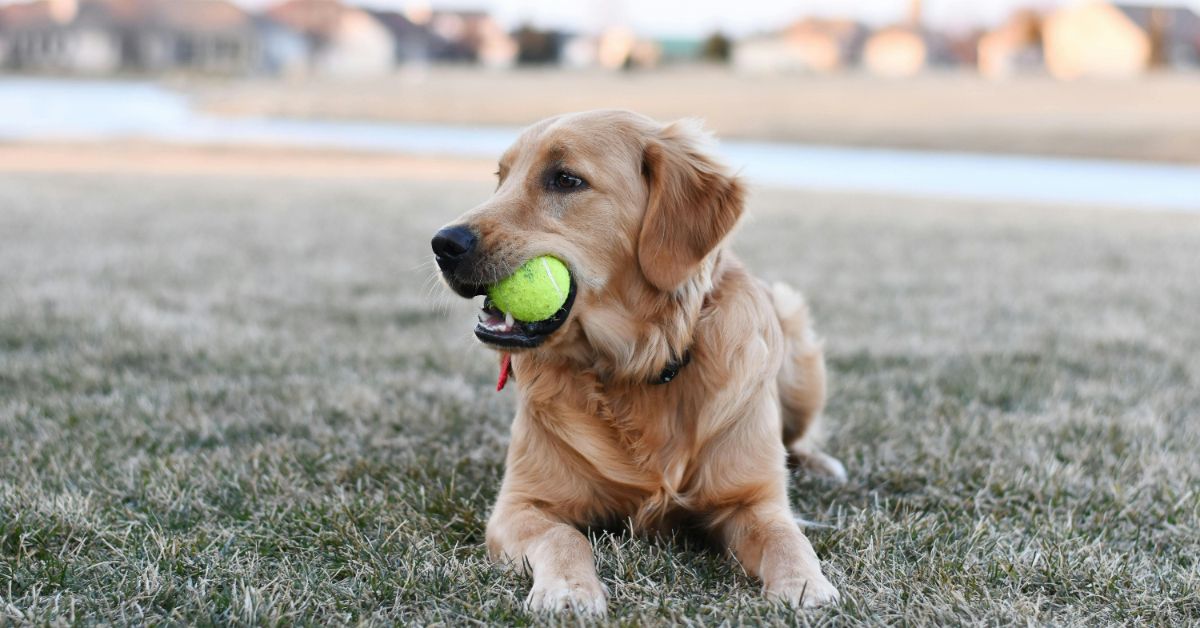
Toys and play can also serve as excellent rewards. Many dogs are motivated by play and will readily respond to training with the prospect of playing with a favorite toy as a reward. This method can be especially effective for behaviors that involve retrieval, agility, or other physical activities, as it seamlessly integrates the reward with the action.
Consistency is essential in any training regimen. Dogs learn best when the positive reinforcement is applied consistently following specific behaviors. This consistency helps them understand cause and effect, where the desired behavior reliably results in a positive outcome. It is also important to keep training sessions short and enjoyable, as dogs can easily become bored or overwhelmed.
Another technique is using a clicker. Clicker training is a form of positive reinforcement where the trainer uses a small handheld device that makes a click sound to mark the exact moment a dog performs the correct behavior. This sound is then immediately followed by a reward. The clicker acts as a clear and consistent signal to the dog that a reward is coming, helping to clarify which behavior is being rewarded.
Incorporating variability in the rewards can prevent the training from becoming predictable and monotonous for the dog. Alternating between treats, praise, toys, and play keeps the dog guessing and interested, making training sessions more dynamic and effective.
Lastly, patience is vital. Training a dog using positive reinforcement requires patience and a positive attitude. There will be setbacks and days when progress seems slow, but maintaining a calm and supportive demeanor will help keep the training experience enjoyable for both the dog and the trainer.
By utilizing these positive reinforcement techniques, dog training not only becomes an opportunity for learning but also a foundation for a lasting and harmonious relationship. Dogs thrive when their social and emotional needs are met, and through positive reinforcement, trainers can fulfill these needs while simultaneously teaching appropriate behaviors.


