The Essential Guide to Puppy Training
Training a puppy is an exciting and rewarding experience, but it can also be a bit challenging. It requires patience, consistency, and positive reinforcement. The key to successful puppy training is to begin as soon as your new pet comes home. Here’s a comprehensive look at some essential training tips to help you and your puppy embark on a wonderful journey together.
**Understanding Puppy Behavior**
Before diving into training, it’s crucial to understand normal puppy behavior. Puppies are naturally curious, playful, and eager to explore their environments. They also need lots of sleep and have very short attention spans. Training sessions should be frequent but brief to keep your puppy engaged. Understanding these aspects will help you be more patient and effective in your training methods.
**Socialization**
Socialization is one of the most critical aspects of puppy training. Introducing your puppy to a variety of people, pets, environments, and situations helps prevent fear and aggression issues later on. Ideally, socialization should begin by the age of three months. Carry treats with you and reward your puppy for calm behavior during these interactions.
**Basic Commands**
Teaching basic commands like sit, stay, come, and down forms the foundation of your puppy’s training. Start with simple commands, using treats and enthusiastic praise to reward your puppy for each successful attempt. Each command can be taught in steps, gradually increasing the difficulty as your puppy masters each level.
**Potty Training**
Potty training is one of the first training hurdles you and your puppy will need to overcome. Establish a routine, taking your puppy outside frequently, especially after eating, playing, or waking up. Praise your puppy and provide a treat immediately after they go to the bathroom outside. Consistency and vigilance are key during the potty training phase.
**Bite Inhibition**
Puppy biting is a natural behavior as puppies explore the world using their mouths. However, it’s important to teach your puppy that biting is not acceptable. One effective way is to make a sharp yelp sound when they bite too hard, and then end the play session immediately. This mimics the response they would get from their littermates and teaches them about bite inhibition.
**Handling and Grooming**
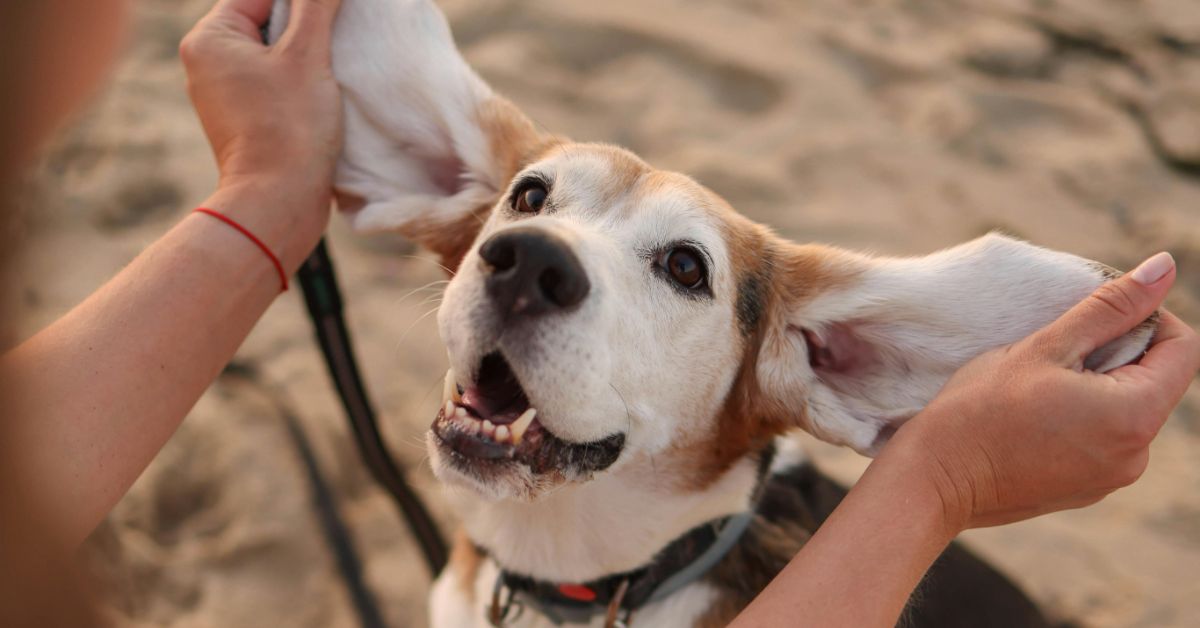
Get your puppy used to being handled and groomed from a young age. Regularly touch their paws, ears, and mouth to make them comfortable with future grooming and veterinary examinations. Keep these sessions short and positive, with plenty of treats and praise.
**Preventing Problem Behaviors**
Preventing problem behaviors starts with understanding what causes them. Boredom and excess energy are common culprits, so ensure your puppy gets plenty of physical and mental stimulation. Provide toys, playtime, and exercise, and consider using puzzle feeders to keep their mind active. Training not only addresses behavior but also helps build a bond between you and your puppy.
**Patience and Consistency**
Finally, the most important part of puppy training is your attitude. Puppies can sense stress and anger, which can make them anxious and hinder their learning. Keep training sessions happy and stress-free. If you’re feeling frustrated, take a break and try again later.
By following these guidelines, you can help your puppy grow into a well-behaved and cherished member of your family. Remember, every puppy is different and learns at their own pace. With patience and perseverance, you’ll be able to tackle the challenges of puppy training while enjoying the wonderful journey of raising your pet.


