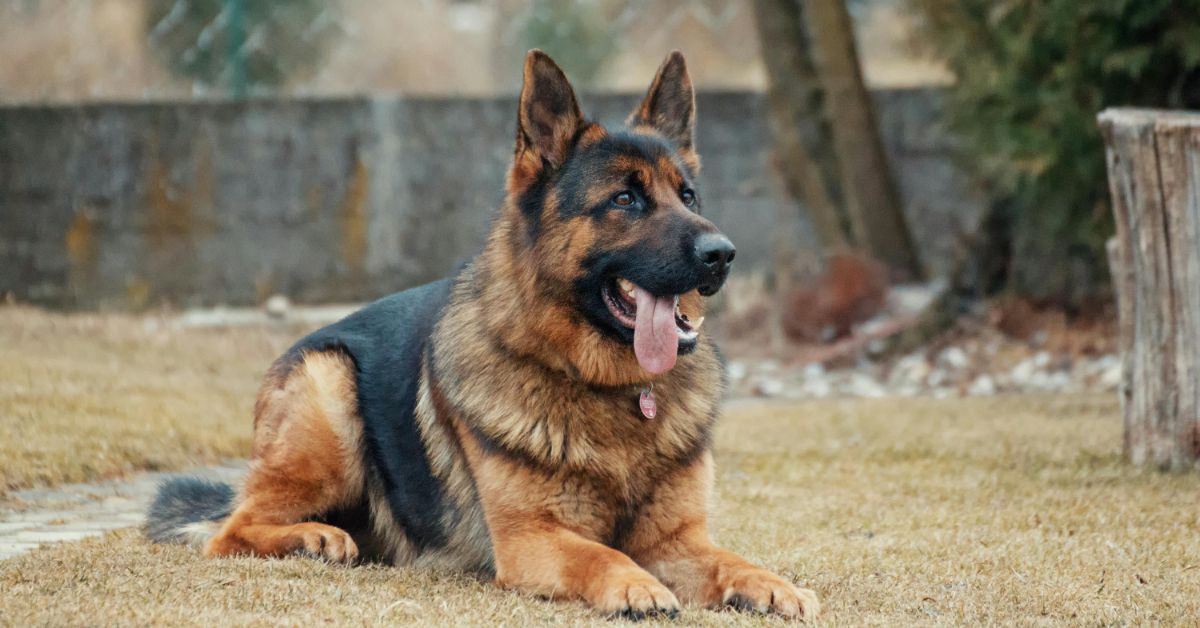
The Role of Exercise in Successful Dog Training
Exercise plays a critical role in the overall well-being and training of dogs, influencing not only their physical health but also their mental state and behavior. Understanding the link between physical activity and effective training can help dog owners and trainers achieve better obedience, improve behavioral issues, and enhance the quality of life for their canine companions.
Physical activity is fundamental to a dog’s health, helping to manage their weight and prevent conditions such as obesity, diabetes, and cardiovascular diseases. Regular exercise also significantly impacts a dog’s mental health by reducing anxiety and stress levels. This is particularly important in training, as a calm and focused dog is more responsive to learning commands and less likely to exhibit problematic behaviors caused by excess energy or anxiety.
The amount and type of exercise needed can vary greatly depending on the breed, age, and health status of the dog. For instance, high-energy breeds such as Border Collies and Labrador Retrievers typically require more intense and prolonged activity, while older dogs or those with physical limitations might need shorter, gentler sessions. Tailoring the exercise to the individual dog helps ensure that their energy levels are appropriately managed without causing exhaustion or discomfort.
Incorporating exercise into a training routine also enhances learning in several ways. Physically active dogs often display increased attention spans and better concentration during training sessions. Exercise can act as a primal fulfillment of the dog’s need for physical activity and exploration, which translates to less destructive behavior and a willingness to engage in training. Moreover, activities that involve both mental and physical engagement, like agility training or hide-and-seek games, can significantly boost a dog’s ability to learn and retain new information.
Moreover, the time spent exercising together strengthens the bond between a dog and its owner or trainer. This mutual trust and understanding are essential for effective communication and training. As the dog learns to look to its handler for cues and rewards during active play, it reinforces training commands and desired behaviors.
Before starting any exercise routine, it is useful to consult with a veterinarian, especially for dogs with health issues. Similarly, when integrating exercise with training, it might be beneficial to seek advice from a professional dog trainer who can offer strategies that combine physical activity with behavior management techniques.
In conclusion, exercise is not merely a way to keep dogs physically fit; it also crucially supports their training and overall behavioral development. When used correctly, it can be a powerful tool in creating a well-trained, happy, and healthy dog. Regular and thoughtful activity routines catered to a dog’s specific needs will pave the way for smoother training processes and a more harmonious human-dog relationship.


