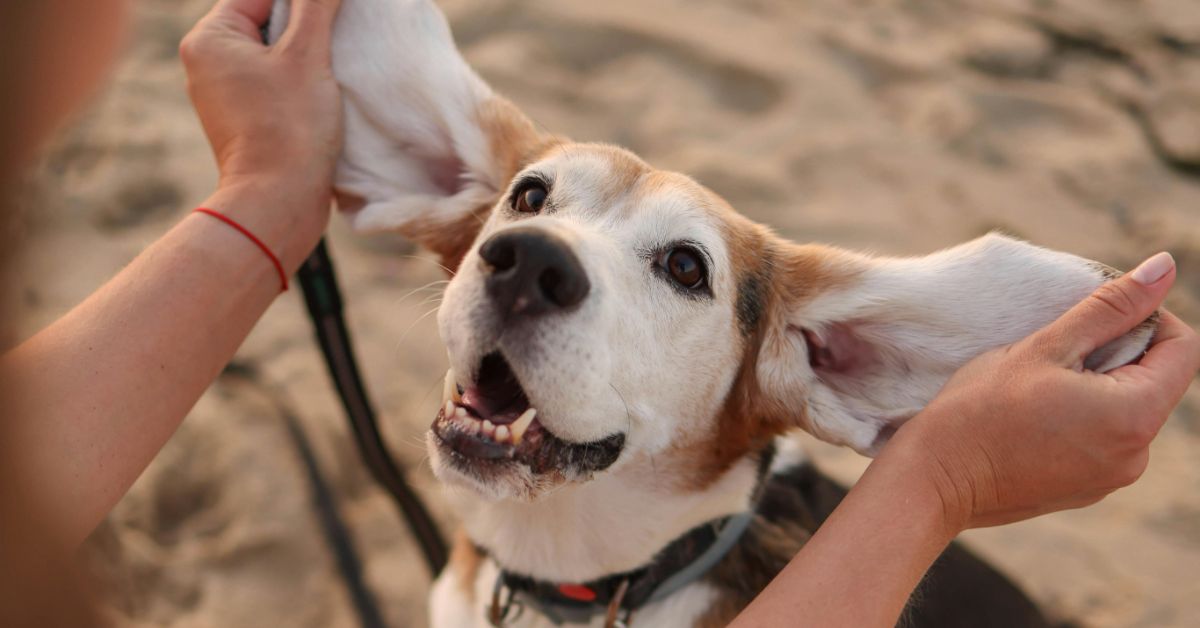
Using Verbal Praise Effectively in Dog Training
Verbal praise is a powerful tool in dog training, playing a crucial role in reinforcing desired behaviors and building a positive bond between the dog and the handler. The effective use of verbal praise can significantly enhance the learning process, making training sessions both productive and enjoyable for the dog.
To utilize verbal praise effectively, it’s important to understand the timing and tone of praise. Timing is critical. The praise must occur immediately after the desired behavior is exhibited, ideally within seconds. This helps the dog associate the praise with the specific action. Delayed praise might confuse the dog, as they may not understand which behavior is being rewarded.
The tone of voice also influences the effectiveness of verbal praise. A cheerful, enthusiastic tone conveys positivity and encouragement, which boosts the dog’s confidence and willingness to perform. It’s essential that the tone remains consistent, as varying tones can confuse the dog and hinder learning. Dogs are highly perceptive to nuances in voice, and they can pick up on subtleties that signify approval or disapproval.
Consistency in the words used for praise should also be maintained. Phrases like “good boy,” “well done,” or “yes” are simple and effective. Consistently using the same words helps the dog understand the precise meaning of the praise. This linguistic consistency accelerates learning by reducing the complexity the dog has to process during training sessions.
Beyond the mechanics of verbal praise, understanding the dog’s individual preferences is equally important. While some dogs might respond well to loud and enthusiastic praise, others may prefer a softer, more soothing voice. Observing the dog’s reactions to different tones and volumes can guide trainers in customizing their praise to suit the individual dog’s preferences, thereby optimizing training outcomes.
Integrating verbal praise with other forms of reinforcement like physical affection or treats can amplify its effectiveness. While verbal approval lets the dog know they have done something right, combining it with a pat or a treat can further boost their motivation. However, over time, the goal should be to gradually reduce the frequency of treats and rely more heavily on verbal praise and physical affection as primary formsertives of reinforcement. This strategy not only helps in maintaining the dog’s focus and motivation but also aids in strengthening their obedience and responsiveness to verbal commands.
By incorporating these techniques, trainers can utilize verbal praise as a powerful tool not just for reinforcing desired behaviors but also for developing a trusting and affectionate relationship with their dogs. Through patience, consistency, and a keen understanding of their dog’s personality and preferences, trainers can maximize the effectiveness of their training and enjoy the rewarding experience of a well-trained, responsive companion.


