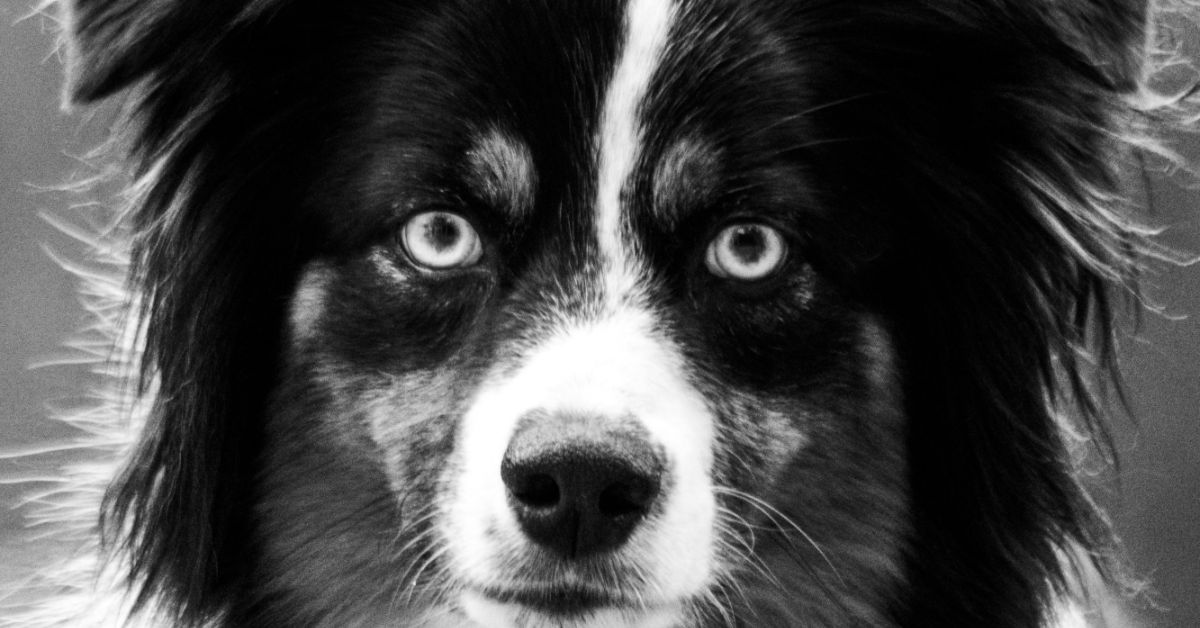
Understanding and Treating Dog Eye Strain
Eye strain in dogs, although less commonly discussed than in humans, is a genuine concern for our canine companions. This condition can stem from various causes and manifest in multiple ways, each affecting the dog’s quality of life. Understanding the causes, symptoms, and treatments of eye strain can help pet owners ensure their dogs maintain optimal eye health and overall well-being.
Eye strain in dogs may not always be immediately apparent, as dogs are good at coping with discomfort without showing obvious signs. However, some common symptoms include squinting, blinking more than usual, watery eyes, and pawing at their eyes. Additionally, you might notice your dog becoming more hesitant in bright light or starting to bump into objects. These signs can suggest that your dog is experiencing discomfort that could be related to eye strain.
Several factors can contribute to eye strain in dogs. One frequent cause is overexposure to bright lights, which can happen during long days in the sun without any eye protection. Just like humans, dogs can experience discomfort and damage from intense UV rays. Another contributor can be prolonged close-up work, such as trying to locate a small treat or toy, which can be surprisingly taxing on a dog’s eyes.
Moreover, certain breeds are more susceptible to eye issues. Breeds with protruding eyes, such as Pugs and Bulldogs, or breeds with deep-set eyes like Bloodhounds, can experience different kinds of eye strain and associated problems due to their unique eye anatomies.
Once eye strain is suspected, it’s crucial to seek veterinary care to rule out or treat any underlying conditions. A veterinarian might perform a thorough eye exam to check for signs of strain or other eye diseases like glaucoma or cataracts, which could exhibit similar symptoms.
Regarding treatment, protecting your dog’s eyes from excessive strain involves several strategies. If light sensitivity is an issue, doggy sunglasses or protective goggles specifically designed for dogs can be used, especially during long outings in sunny environments. Ensuring your dog has plenty of opportunities to rest their eyes throughout the day is also beneficial. Just like humans, dogs need breaks from activities that require intense focus.
Adjusting your dog’s environment can also help in managing eye strain. For instance, during nighttime, provide sufficient lighting to help your dog navigate the space safely without straining their eyes. During play, consider using larger toys or treats to prevent excessive squinting or close-up eye use.
In some cases, eye lubricants or artificial tears recommended by your vet can help manage symptoms by keeping the eyes moist and flushing out potential irritants. It’s important to follow the veterinary advice closely, especially when using any form of medication.
Regular check-ups play a vital role in the early detection and treatment of eye strain, as well as other eye-related conditions in dogs. With the proper care and preventive measures, you can help safeguard your dog’s eye health, ensuring they continue to see the world as clearly and happily as possible.