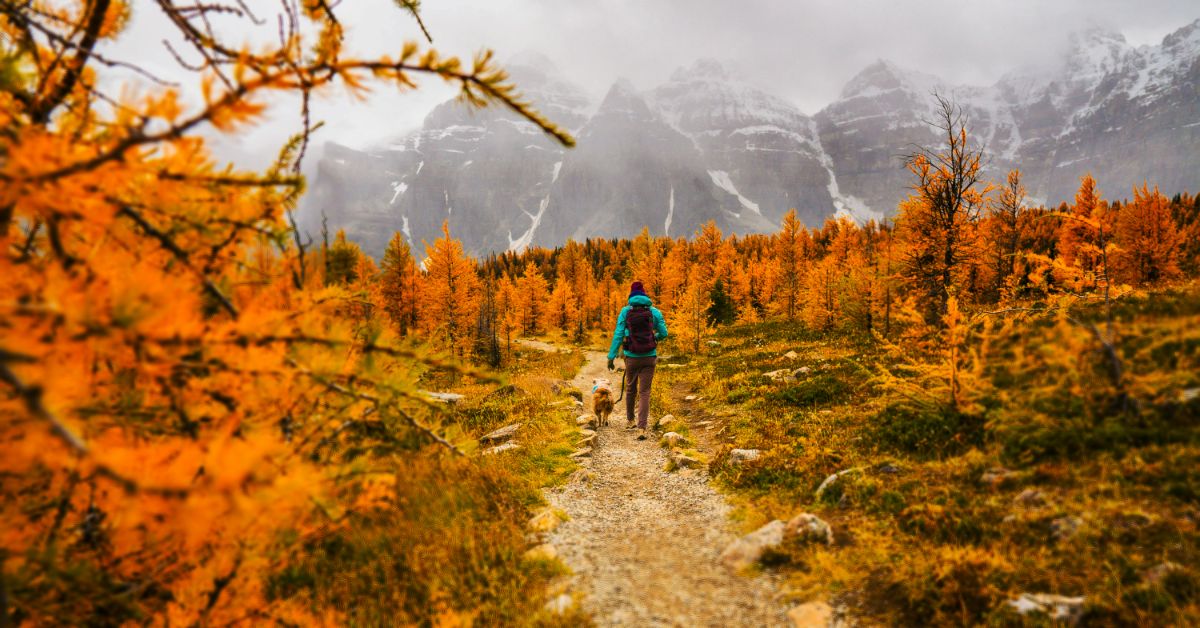
Preparing for Long Walks and Hikes with Your Dog
Walking or hiking with your dog is not only a fantastic way for both of you to get exercise, but it’s also an opportunity to strengthen the bond you share. Before you hit the trails, it’s important to prepare adequately to ensure that both you and your canine companion have a safe and enjoyable experience.
Firstly, assessing the fitness level of your dog is crucial. Not all dogs are suited for long distances or rough terrain, so it’s important to gradually build up their stamina and strength. Start with shorter walks in your local area and slowly increase the distance as your pet gets more comfortable. Pay attention to how your dog responds after each walk. This will help you adjust the pace and duration before embarking on more challenging hikes.
Checking the trail conditions and rules ahead of time is equally important. Some trails may have restrictions concerning dogs, such as requiring them to be on a leash at all times, or might be closed to pets altogether. It’s also vital to consider the terrain and the weather conditions. Trails with extreme conditions like steep grades, rocky paths, or high temperatures can be dangerous for dogs.
Equipping your dog with the right gear can improve their hiking experience. A sturdy harness is preferable over a neck collar, as it provides better control and minimizes strain on your dog’s neck. Dog boots can protect their paws from rough terrains and extreme temperatures, and a specially designed dog backpack can allow your dog to comfortably carry their own water and snacks.
Hydration and nutrition are essential for keeping your dog energized and healthy during the walk or hike. Always bring more water than you think you’ll need to ensure your dog stays hydrated, especially on warmer days. Avoid feeding your dog a large meal right before a hike; rather, opt for small, nutrient-rich snacks during the hike to maintain their energy levels.
Regular breaks are important, especially if you’re just beginning to take your dog on longer walks. Monitor your dog for signs of fatigue or overheating, such as heavy panting, drooling, or lethargy. Breaks are also a good opportunity for you and your dog to check for ticks or burrs in their fur, especially if you are walking in grassy or wooded areas.
Training is a key component of hike preparation. Your dog should respond to basic commands such as ‘stay’, ‘come’, and ‘leave it’. This is crucial for their safety, especially if they encounter wildlife, other dogs, or hazardous obstacles. Reinforcing these commands during regular walks will help ensure they behave well even in unfamiliar territories.
Lastly, planning for emergencies by bringing a basic pet first aid kit can be a lifesaver. This kit should include items like bandages, tick removers, antiseptic wipes, and your vet’s contact information. Familiarizing yourself with basic pet first aid procedures can make a significant difference in managing any unexpected injuries or illnesses.
By taking these steps to prepare, you can ensure that hiking with your dog is a rewarding experience that enhances the wellbeing of both you and your pet. Enjoy exploring the great outdoors with your furry friend safely and responsibly!


