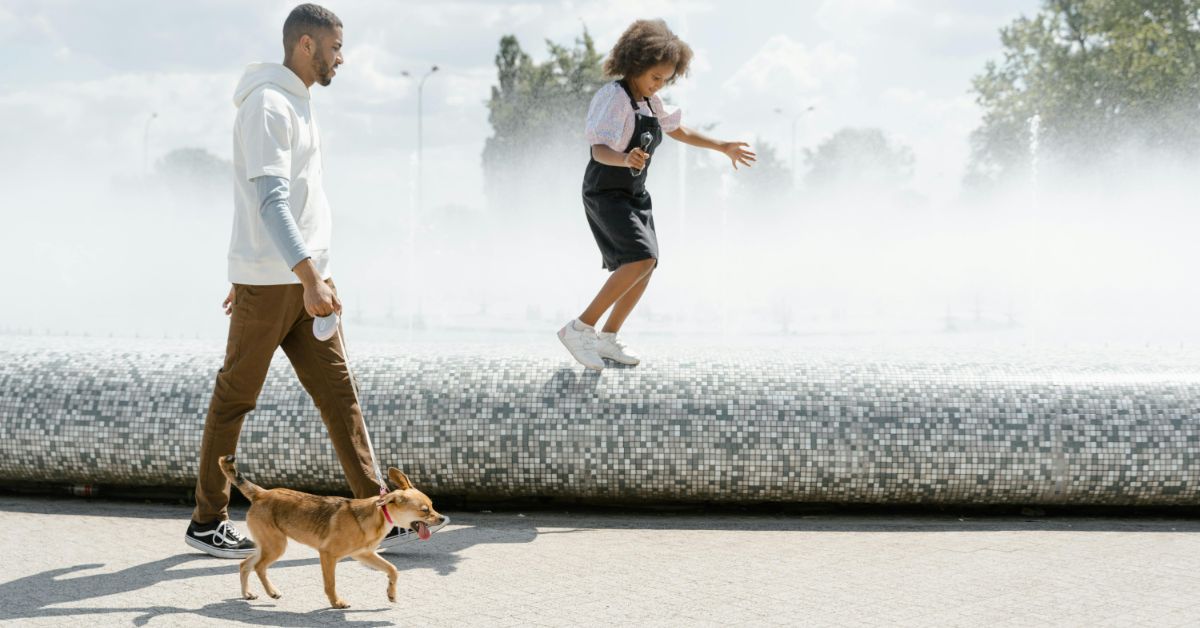
Using Dog Walks to Practice Recall Training
Recall training, or teaching your dog to come when called, is one of the most important skills you can instill in your canine companion. Utilizing the time you spend walking your dog to practice recall can be exceptionally beneficial, turning an everyday activity into a valuable training session.
Walking your dog regularly provides a multitude of scenarios where recall can be practiced in controlled, yet varying environments. This not only reinforces the behavior in your dog but also builds their confidence and reliability in responding to your command.
One effective way to practice recall is by using a long leash or a retractable lead. This method allows your dog to explore and behave as though they are off-leash, while still giving you control to ensure their safety. Begin by allowing your dog to wander a bit, then call their name followed by the command “come!” in a clear, enthusiastic tone. As soon as your dog starts heading back towards you, praise them excitedly, showing genuine pleasure in their return. This positive reinforcement is key to encouraging your dog to respond eagerly each time.
It’s crucial to use high-value treats when practicing recall during walks. These treats should be something out of the ordinary that your dog doesn’t get at other times. The higher value the treat, the more likely your dog will be motivated to come back to you despite distractions. Gradually, you can reduce the frequency of treats and replace them with verbal praise and pets, as your dog becomes more reliable in their recall.
Distractions are inevitable, and they actually serve as the perfect practice scenario. Start with minimal distractions, and gradually increase the level as your dog’s recall improves. You might begin in a quiet park then gradually move to busier environments. Each successful recall in these distracting circumstances reinforces your dog’s training.
It’s also beneficial to introduce variability in the way you call your dog back. Sometimes you might jog backwards as you call them; other times, you might kneel down or hide behind a tree. This prevents your dog from getting bored and makes recall a fun game rather than a routine exercise.
One common pitfall to avoid is calling your dog back only at the end of their walk, which your dog might start associating with something negative—the end of their fun time outside. Instead, practice recall at random times during the walk and always allow your dog to go back to exploring after they come to you, unless the walk is genuinely over.
Implementing consistent, playful, and rewarding recall practice during your daily walks can greatly enhance your dog’s obedience and reliability. It strengthens the bond between you and your pet while ensuring their safety and your peace of id, knowing that your dog will return to you when it matters most. Whether you’re in a quiet park or a busy cityscape, these moments spent together are not only about physical exercise but also about building a foundation of trust and cooperation that lasts a lifetime.


