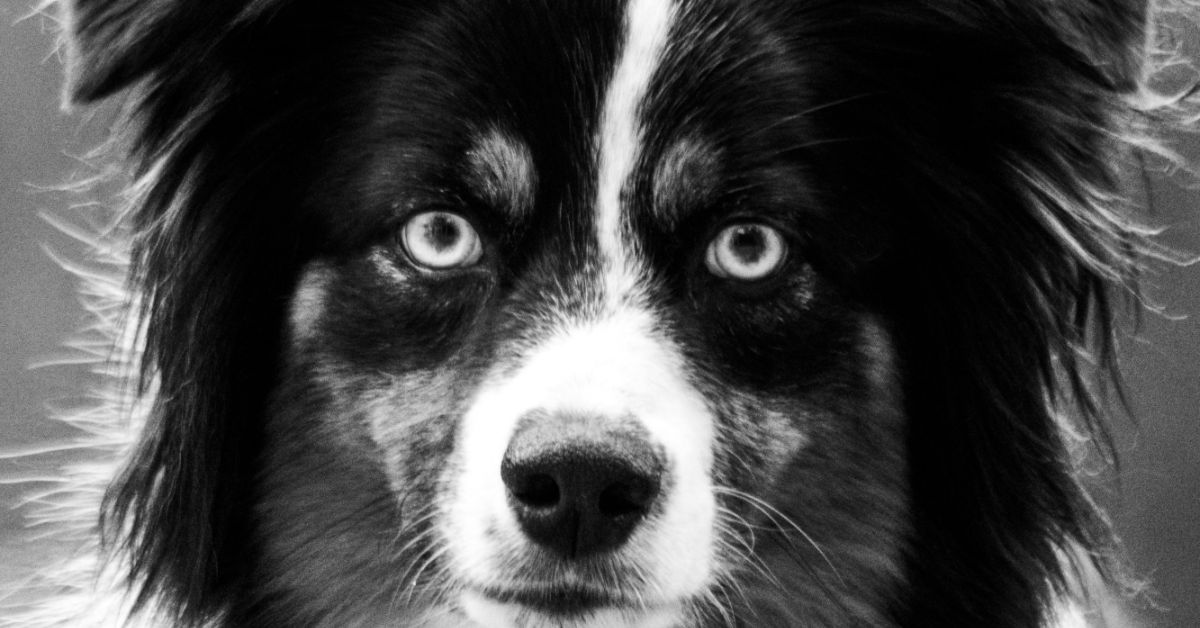
The Role of Diet in Your Dog’s Eye Health
Maintaining proper eye health in your dog is a fundamental aspect of ensuring their overall well-being. While many factors contribute to the health of your pet’s eyes, diet plays a crucial role that should not be overlooked. A well-balanced diet that includes essential vitamins, minerals, and other nutrients can help prevent or manage eye problems and support long-term ocular health.
First and foremost, antioxidants are vital for maintaining healthy eyes in dogs. Antioxidants combat oxidative stress, a process that can damage eye tissue, leading to problems like cataracts and other degenerative eye diseases. Vitamins A, C, and E are powerful antioxidants that are beneficial for eye health. Vitamin A is vital for maintaining good vision, particularly in low light conditions. It can be found in foods like carrots, spinach, and pumpkin, which are safe and healthy for your dog in appropriate amounts. Vitamin E helps protect the eyes from oxidative damage and can be sourced from foods like wheat germ, nuts, and leafy green vegetables.
Another key nutrient for eye health is omega-3 fatty acids. These fatty acids are known for their anti-inflammatory properties, which can help reduce the risk of age-related macular degeneration and dry eye syndrome. Omega-3 fatty acids can be found in fish oils, such as salmon or sardine oil, which can be added to your dog’s regular meals. They not only support eye health but also promote a healthy coat and skin.
Lutein and Zeaxanthin are two specific types of antioxidants that are also crucial for eye health. They are carotenoids found naturally in many vegetables and play an essential role in protecting the retina by filtering harmful high-energy wavelengths of light. Including foods rich in these nutrients, such as kale, spinach, and broccoli, can help support the overall health of your dog’s eyes.
Zinc is another important mineral for eye health, as it helps transport Vitamin A from the liver to the retina, supporting clear corneas. Meat is a great source of zinc, particularly beef, lamb, and chicken, which are also high in protein and other essential nutrients.
Aside from ensuring your dog’s diet is rich in these nutrients, it’s also important to manage their overall nutritional intake to prevent obesity. Excess weight can lead to diabetes, which can subsequently lead to glaucoma or diabetic retinopathy in dogs.
Regular check-ups with a veterinarian can help you monitor the health of your dog’s eyes and determine if their diet needs any adjustments to better support their ocular health. Additionally, during these check-ups, your vet can spot early signs of eye health issues that might not be immediately obvious.
Feeding your dog a balanced diet rich in essential nutrients will not only contribute to their eye health but will improve their overall quality of life. By understanding the specific requirements of your dog based on their age, size, and any existing health issues, you can provide them with the best possible nutrition to ensure they remain happy, healthy, and visually sharp. Remember, when introducing new foods to your dog’s diet, it is recommended to do so gradually and under the guidance of a veterinarian to avoid any digestive upset.