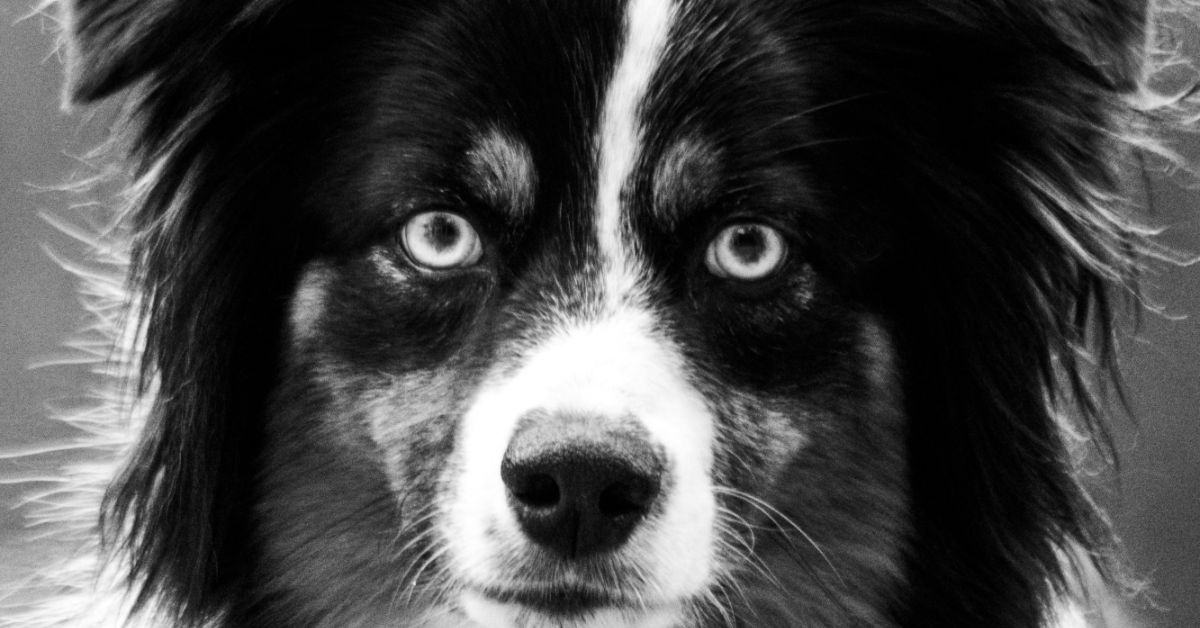
Understanding Dog Eye Anatomy: What Every Owner Should Know
Dogs communicate much about their emotions and intentions through their eyes, making the eyes not only a vital sensory organ but also an essential part of canine emotional expression. Understanding the anatomy of your dog’s eyes can help you better care for your pet, recognizing signs of distress or disease early on to ensure they maintain good vision and overall eye health throughout their lives.
The canine eye shares several similarities with the human eye, but there are key differences that are important to note. Both dogs and humans have a cornea, lens, retina, pupil, and eyelids, but the way some of these parts function and how they are structured can vary significantly.
Starting at the outermost layer, the cornea in dogs is thicker than in humans, offering more protection, which is necessary given the more rugged and exploratory nature of many dog breeds. Beneath the cornea is the lens, which focuses light onto the back of the eye. A dog’s lens is more spherical, enhancing their ability to see in dim light, crucial for their ancestral hunting habits.
One of the most prominent features of a dog’s eye is the tapetum lucidum. This layer of tissue lies behind the retina and reflects light that passes through the retina back into the eye, increasing visibility in low light. This reflective property is what gives dog eyes a distinctive glow when light shines into them at night. While this feature enhances their night vision, it also reduces the sharpness of their vision in daylight compared to humans.
The retina in dogs is similar to that in humans, containing cells called rods and cones. Rods are responsible for vision in low light, while cones detect color and detail. Dogs have a higher ratio of rods to cones compared to humans, which means they are better at detecting motion and seeing in dim light but have less acute color vision.
Dogs also have a third eyelid, known as the nictitating membrane, which sweeps across the eye from the inner corner. This membrane serves to provide additional protection and moisture for the eye, particularly important in a creature that often runs through brush and fields.
The shape and placement of a dog’s eyes also affect their field of vision. Depending on the breed, the range can vary widely. Breeds with eyes that are set widely apart, such as shepherds and retrievers, have a broader field of vision, allowing them to detect movement from the sides better. This attribute is particularly beneficial for working or hunting dogs that need to be aware of their surroundings.
Eye health is crucial, and knowing the basic anatomy helps owners spot potential problems early. Signs that something might be wrong with your dog’s eyes include redness, swelling, discharge, an apparent third eyelid, or the dog frequently pawing at their eyes. Each of these could indicate conditions such as infections, allergies, or even deeper issues related to internal eye structures.
Routine checks and visits to the vet are essential for maintaining your dog’s eye health. Many breeds are predisposed to specific eye problems, so understanding these risks can help manage or prevent eye conditions from developing.
By understanding how your dog’s eyes are structured and function, you can better appreciate the ways in a canine perceives the world. This knowledge not only aids in providing better care but also enriches the bond between you and your pet, enhancing your ability to communicate and empathize with them.